
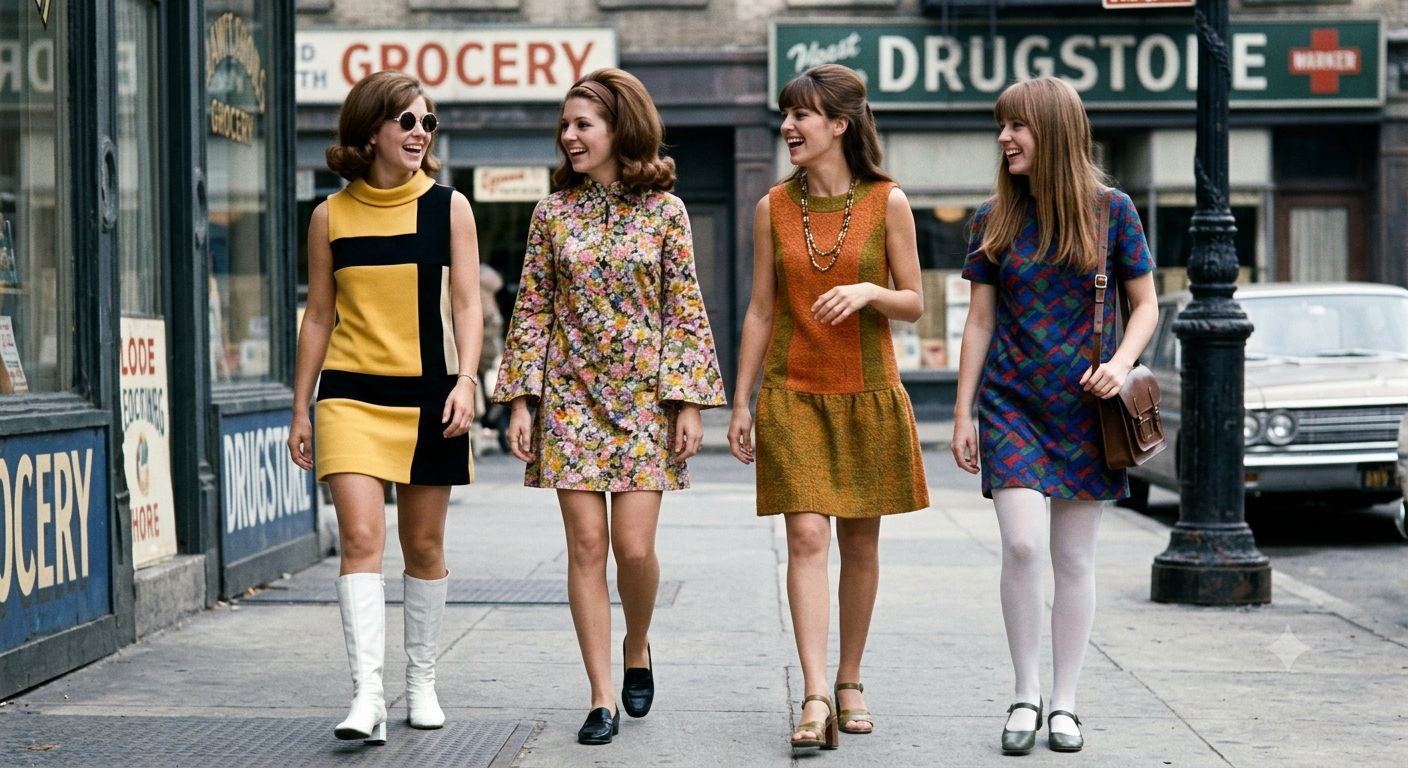
Fashion has a habit of looking back before it moves forward. Some trends disappear after a season, while others return again and again, each time with a fresh perspective. One of the most enduring examples is 60s fashion dresses. Their clean silhouettes, playful prints, bold colors, and unmistakable charm continue to influence designers, vintage collectors, and everyday wardrobes decades after they first appeared.
People search for this style for many reasons. Some want an authentic vintage outfit, others need inspiration for themed events, while many simply appreciate timeless designs that still feel wearable today. Whether someone is building a capsule wardrobe or browsing for a statement piece, the appeal goes beyond nostalgia.
The 1960s represented a remarkable turning point in fashion. Traditional rules were challenged, youth culture became a driving force, and clothing transformed into a powerful form of personal expression. Looking back at dresses from that era offers more than style inspiration—it provides a glimpse into changing attitudes, creativity, and cultural confidence.
Quick Answer: Why Are Dresses From the 1960s Still Popular?
The popularity of dresses from the 1960s comes from their timeless shapes, versatile styling options, and strong visual identity. Many designs remain flattering today because they focus on simple construction rather than excessive detailing. Modern brands continue to reinterpret classic silhouettes, making these styles accessible for both vintage enthusiasts and contemporary shoppers.
What Made the 1960s Such a Defining Era for Fashion?
Fashion before the 1960s often emphasized formality and strict social expectations. During the decade, younger generations began influencing music, art, and clothing more than ever before. Designers experimented with shorter hemlines, geometric patterns, vibrant color palettes, and unconventional materials.
Television also played a major role. Celebrities and public figures introduced fresh trends into homes across the world, allowing styles to spread much faster than in previous decades. London emerged as a global fashion capital alongside Paris, encouraging bold experimentation.
The result was an era that celebrated individuality. A woman could choose a sleek shift dress one day and a dramatic psychedelic print the next without feeling constrained by traditional fashion rules.
The Shapes That Defined an Entire Generation
One reason these dresses continue to feel relevant is their simplicity. Many silhouettes remain flattering because they avoid overly complicated tailoring.
Some of the most recognizable styles include:
- Shift dresses with straight, clean lines
- A-line silhouettes that gently widen from the shoulders
- Empire waist designs
- Babydoll dresses with youthful proportions
- Mod-inspired mini dresses
- Structured sleeveless styles
Each offered a different personality while remaining relatively easy to wear.
A shift dress, for example, doesn’t cling tightly to the body. That relaxed structure makes it comfortable during warm weather and surprisingly adaptable across different body types.
Color Was Never an Afterthought
One striking characteristic of 1960s clothing is its fearless use of color.
Rather than relying only on neutral shades, designers embraced combinations that immediately attracted attention. Bright orange, mustard yellow, cobalt blue, lime green, hot pink, and crisp white often appeared together in geometric arrangements.
Color blocking became especially recognizable. Instead of delicate floral patterns dominating wardrobes, bold circles, squares, stripes, and abstract graphics became symbols of modern fashion.
Interestingly, these combinations still appear in contemporary collections because they photograph well and create memorable visual impact.
Prints That Instantly Reveal Their Inspiration
Certain patterns immediately suggest a 1960s influence even without knowing the garment’s history.
Popular examples included:
- Large floral prints
- Psychedelic swirls
- Checkerboard patterns
- Polka dots
- Geometric blocks
- Op-art inspired graphics
These prints reflected broader artistic movements happening at the time. Fashion wasn’t isolated—it borrowed heavily from architecture, graphic design, music, and modern art.
That creative crossover is one reason many vintage pieces still look surprisingly fresh.
More Than Clothing: A Reflection of Cultural Change
The dresses themselves became symbols of broader social transformation.
Women’s roles were evolving, youth culture was becoming increasingly influential, and fashion started reflecting personal freedom rather than strict expectations.
Mini skirts generated public debate. Bright prints challenged conservative tastes. Synthetic fabrics introduced affordability to styles previously associated with luxury.
Looking back today, these garments tell stories about confidence, experimentation, and changing cultural values.
What Modern Shoppers Usually Notice First
Many people trying this aesthetic for the first time are surprised by how comfortable the garments feel.
Compared with heavily structured formal wear, numerous vintage-inspired designs feature relaxed fits that allow natural movement.
Another pleasant surprise is versatility.
A classic shift silhouette can work with sneakers during the day, ankle boots in autumn, or elegant heels for evening occasions. Small styling changes create entirely different looks without replacing the dress itself.
This flexibility explains why contemporary brands continue producing updated interpretations every season.
Vintage Original or Modern Reproduction?
This is one of the biggest questions shoppers face.
Authentic vintage pieces carry historical value and unique craftsmanship. They often feature original stitching techniques, fabrics, and construction methods that are difficult to replicate perfectly.
However, original garments may also present challenges.
Fabric can weaken over time. Sizing differs significantly from modern standards. Repairs may require specialist knowledge.
Modern reproductions eliminate many practical concerns by offering updated sizing, improved durability, and easier maintenance while preserving iconic aesthetics.
For many buyers, reproductions represent the more practical choice for regular wear.
The Details Many Buyers Overlook
Fabric deserves much more attention than it usually receives.
Natural fibers such as cotton, linen, and wool generally remain breathable and comfortable. Some authentic vintage garments, however, include early synthetic materials that may not provide the same comfort in warmer climates.
Construction quality also varies considerably.
Mass-produced garments from later decades sometimes imitate the visual appearance without matching original craftsmanship. Looking closely at stitching, lining, seam finishing, and button attachment often reveals the difference.
These details become especially important for collectors investing in authentic vintage clothing.
Styling Without Looking Like You’re Wearing a Costume
This is where many people hesitate.
There’s a fine line between vintage-inspired fashion and appearing dressed exclusively for a themed party.
One practical approach is combining one statement piece with contemporary basics.
Imagine pairing a classic A-line dress with minimalist white sneakers, a leather crossbody bag, and understated jewelry. The outfit acknowledges vintage inspiration while remaining completely modern.
Another option involves layering.
A fitted denim jacket, lightweight cardigan, or tailored blazer immediately softens retro influences and creates balance.
Fashion rarely requires complete historical accuracy unless that’s your personal goal.
The Reality Behind Their Lasting Appeal
There are several reasons these dresses continue attracting attention decades later.
First, many silhouettes flatter a wide variety of body shapes without relying on complicated tailoring.
Second, they photograph beautifully. Social media has revived appreciation for distinctive designs that stand out naturally.
Third, sustainability has encouraged interest in vintage clothing. Buying secondhand extends garment life while reducing textile waste.
Finally, many people simply enjoy wearing clothing with personality. In a market sometimes dominated by minimal basics, expressive patterns and vibrant colors feel refreshing.
Where the Experience Can Become Challenging
Despite widespread admiration, these styles aren’t perfect for everyone.
Authentic vintage sizing often surprises first-time buyers because measurements differ from today’s standards.
Certain fabrics require delicate washing or professional cleaning.
Original garments occasionally show signs of age that aren’t immediately visible in photographs.
Availability can also become frustrating. Truly well-preserved vintage pieces in popular sizes often command premium prices.
These limitations don’t reduce their value, but they’re worth considering before making a purchase.
Are They Comfortable for Everyday Wear?
In many cases, yes.
Comfort depends less on the decade and more on fabric quality, construction, and fit.
Cotton shift dresses remain excellent choices for casual outings, summer holidays, weekend brunches, or sightseeing.
Structured formal pieces naturally feel less relaxed, especially those designed for evening occasions.
Trying different cuts usually matters more than focusing exclusively on historical authenticity.
What About Safety and Fabric Care?
Older garments deserve careful handling.
Vintage fabrics may weaken after decades of storage, even if they appear visually perfect.
Before wearing an authentic piece frequently, inspect:
- Seams
- Zippers
- Buttons
- Lining
- Areas under the arms
- Fabric around closures
Gentle hand washing or professional dry cleaning is often safer than standard machine cycles.
When storing vintage clothing, padded hangers and breathable garment bags help reduce unnecessary stress on delicate materials.
Is Buying Vintage Always Legitimate?
Most reputable vintage sellers accurately describe garment condition, alterations, and estimated production dates.
Still, buyers should remain cautious.
Clear photographs, detailed measurements, transparent return policies, and honest condition reports generally indicate trustworthy sellers.
Terms such as “vintage-inspired” and “retro” don’t necessarily mean an item originated during the 1960s. Reading product descriptions carefully helps avoid disappointment.
Collectors often appreciate sellers who openly discuss repairs or imperfections rather than attempting to hide them.
Why Fashion Designers Keep Revisiting This Era
Design trends rarely appear in isolation.
Modern collections regularly revisit the 1960s because many design principles remain relevant:
Simple silhouettes.
Strong graphic elements.
Confident use of color.
Easy layering.
Youthful energy.
Luxury fashion houses and affordable retailers alike reinterpret these ideas almost every year. Sometimes the inspiration is obvious, while other times only subtle details reveal historical influence.
That’s one reason the era never truly disappears from fashion conversations.
What Regular Wearers Often Say
People who enjoy wearing vintage-inspired clothing frequently mention confidence rather than nostalgia.
There’s something distinctive about wearing garments that don’t resemble everything else on the rack.
Many also appreciate how conversation naturally begins when someone recognizes a classic silhouette or bold print.
Not every outfit needs to make a statement, of course. Yet having one dress that feels memorable can be surprisingly satisfying.
That emotional connection explains why collectors often treasure individual pieces for years.
Does This Style Still Fit Modern Fashion?
Absolutely—but perhaps not in the exact way many expect.
Today’s fashion mixes influences from numerous decades simultaneously.
It’s perfectly normal to see someone pair a vintage-inspired dress with contemporary trainers, minimalist handbags, oversized sunglasses, or modern outerwear.
Rather than recreating the past exactly, today’s styling usually blends old and new.
That flexibility keeps these designs relevant instead of making them museum pieces.
Conclusion
The appeal of 60s fashion dresses goes far beyond vintage nostalgia. Their timeless silhouettes, bold patterns, and effortless versatility continue to inspire modern fashion while giving wearers a unique way to express their personal style. Whether you’re searching for an authentic vintage piece or a contemporary design with retro influences, these dresses offer a blend of history, creativity, and everyday wearability. As fashion trends continue to evolve, one thing remains clear—the iconic styles of the 1960s still have a well-deserved place in today’s wardrobes.
Frequently Asked Questions
Q: What defines a 1960s dress?
A: Clean silhouettes, bold prints, bright colors, and short hemlines are the defining features.
Q: Are 1960s dresses still in fashion?
A: Yes. Many modern designers continue to draw inspiration from 1960s styles.
Q: Can I wear a 1960s dress casually?
A: Absolutely. Pair it with sneakers or flats for an effortless everyday look.
Q: What’s the difference between vintage and vintage-inspired dresses?
A: Vintage dresses are original pieces, while vintage-inspired designs are modern recreations.
Q: Are original vintage dresses expensive?
A: Prices vary, but rare and well-preserved pieces often cost more.
Q: Where can I buy authentic vintage dresses?
A: Reputable vintage boutiques, online marketplaces, and thrift stores are good places to start.
Get More Latest Updates on Crawltheworld
