
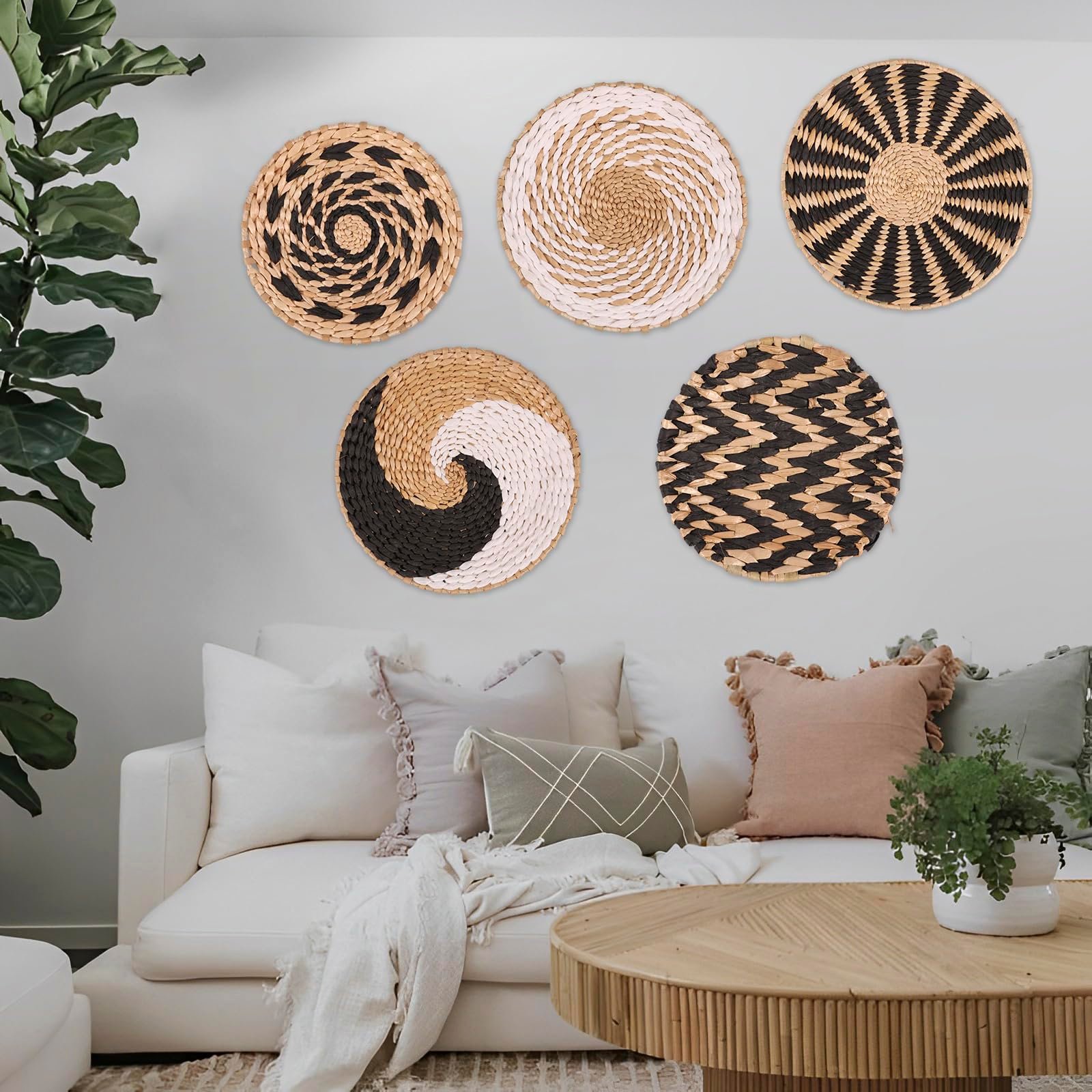
Natural materials have made a remarkable comeback in home décor, but few trends have stayed as relevant as basket decor wall displays. What once seemed like a traditional craft has evolved into a stylish design choice found in modern apartments, cozy farmhouses, Scandinavian-inspired homes, and even luxury interiors. Their appeal lies in simplicity. A collection of woven baskets can transform a plain wall into something warm, textured, and full of personality without requiring an expensive renovation.
People often search for this decorating style because they want an affordable way to refresh a room. Others are drawn to the handcrafted look and appreciate décor that feels authentic rather than mass-produced. Some homeowners simply have an empty wall that feels incomplete, while renters look for lightweight decorative options that are easier to install than heavy artwork.
Unlike many home décor trends that disappear after a season or two, woven wall arrangements continue to remain popular because they blend beautifully with changing interior styles. Whether paired with neutral color palettes or vibrant furniture, they create visual interest while keeping the space relaxed and inviting.
A Quick Answer Before You Start Decorating
What is a basket decor wall?
A basket wall display is an arrangement of woven baskets, trays, or handcrafted pieces mounted on a wall to create decorative artwork. Instead of using framed paintings or mirrors, homeowners use baskets of different sizes, patterns, and textures to add warmth, depth, and character to a room.
The style works well in living rooms, bedrooms, dining spaces, entryways, and even covered outdoor areas, making it one of the most flexible decorating ideas available today.
Why This Decorating Trend Feels Different
Every few years, interior design introduces another statement piece that promises to transform a room. Some trends rely on bold colors, oversized artwork, or expensive furniture. Woven basket displays take a quieter approach.
Instead of demanding attention, they create atmosphere.
There is something naturally calming about organic fibers like rattan, seagrass, bamboo, jute, and water hyacinth. Their textures soften modern interiors and prevent minimalist spaces from feeling cold or unfinished.
I’ve noticed that homes featuring handcrafted elements often feel more welcoming. They don’t appear overly staged, and that’s part of their charm. Small variations in weaving patterns make each piece feel slightly unique.
More Than Decoration: A Story Woven Into Every Piece
Many decorative baskets are inspired by traditional weaving techniques that have existed for generations. Across Africa, Southeast Asia, South America, and parts of Europe, artisans have created functional woven pieces long before they became fashionable home décor.
Today these handcrafted designs serve two purposes.
They preserve cultural craftsmanship while introducing timeless beauty into contemporary interiors.
Choosing artisan-made pieces can also support local communities and small businesses, giving the décor greater meaning than mass-produced alternatives.
The Empty Wall That Suddenly Feels Complete
Almost every home has one awkward wall.
It might be above a sofa, beside a staircase, behind a dining table, or at the end of a hallway. Large framed artwork sometimes feels too formal, while shelves may create visual clutter.
Basket arrangements solve this problem surprisingly well.
Because each basket contributes texture rather than detailed imagery, the overall display feels balanced without overwhelming the room. Even large collections maintain a relaxed appearance.
Another advantage is flexibility. Homeowners can rearrange individual pieces whenever they want a different look without replacing the entire display.
Where This Style Fits Surprisingly Well
One reason this trend continues growing is its versatility.
Living rooms benefit from large statement arrangements that replace traditional artwork.
Bedrooms gain warmth when woven textures soften painted walls.
Dining areas become more inviting through natural materials that complement wooden tables and warm lighting.
Entryways immediately create a welcoming first impression.
Covered patios and sunrooms also work beautifully because natural fibers complement plants and outdoor-inspired décor.
Even home offices have begun incorporating woven wall displays to reduce the sterile feeling often created by plain painted walls.
The Details That Make the Biggest Difference
People sometimes assume that buying beautiful baskets is enough.
In reality, the arrangement matters just as much as the baskets themselves.
Spacing, balance, color variation, and size differences all influence the final appearance.
Displays that combine several diameters usually look more natural than those using identical pieces.
Mixing shallow trays with slightly deeper baskets also creates subtle depth without making the wall appear crowded.
Many professional decorators begin by placing larger pieces first before filling the remaining spaces with medium and smaller designs.
That approach usually creates a composition that feels intentional rather than random.
Choosing Colors That Continue Looking Beautiful
Neutral tones remain the safest choice because they adapt easily as furniture changes over time.
Natural beige, ivory, brown, honey, sand, charcoal, and muted black weaving patterns pair comfortably with most interior color palettes.
That doesn’t mean colorful baskets should be avoided.
Deep blues, terracotta reds, olive greens, mustard yellows, and subtle geometric patterns can become attractive accent pieces when used thoughtfully.
The key is balance.
Too many bold colors competing together may reduce the calming effect that woven décor naturally provides.
Texture Often Matters More Than Color
One interesting lesson many homeowners discover is that texture creates greater visual impact than bright colors.
Different weaving techniques reflect light differently throughout the day.
Some baskets have tightly woven surfaces that appear smooth from a distance.
Others feature open patterns, raised stitching, layered fibers, or braided edges that create gentle shadows.
Those small details prevent large walls from appearing flat.
Even monochromatic arrangements become visually interesting because texture replaces the need for dramatic color contrasts.
Small Practical Decisions Save Future Frustration
Before hanging any woven décor, consider the environment.
Natural fibers respond differently depending on humidity, sunlight, and airflow.
Rooms with excessive moisture may eventually affect untreated materials.
Direct sunlight can gradually fade dyed fibers over several years.
Dust accumulation is another factor many people overlook.
Fortunately, maintenance remains relatively simple.
A soft microfiber cloth, gentle vacuum brush attachment, or occasional air blower usually keeps woven surfaces looking fresh.
Harsh chemical cleaners are rarely necessary and may actually damage delicate natural fibers.
The Midpoint Where Planning Makes All the Difference
Creating an attractive display becomes much easier after considering a few practical guidelines.
- Mix several basket sizes instead of purchasing identical pieces.
- Lay the arrangement on the floor before hanging anything.
- Leave consistent spacing to avoid a cluttered appearance.
- Combine different weaving styles for added texture.
- Use secure wall hooks that match the basket’s weight.
- Step back several times during installation to check overall balance.
These simple habits often separate professional-looking displays from arrangements that feel unfinished.
Why Some People Eventually Change Their Design
Interior decorating is personal.
What feels cozy to one homeowner may appear too rustic to another.
Some people begin with an entire woven wall before gradually mixing mirrors, framed prints, ceramic plates, or wooden sculptures into the arrangement.
Others simplify their display over time, keeping only a handful of favorite handcrafted pieces.
Neither approach is wrong.
The beauty of woven décor is its flexibility.
It evolves naturally as personal taste changes.
When Natural Materials Meet Modern Design
Perhaps the biggest surprise is how well traditional weaving complements contemporary interiors.
Minimalist homes often rely heavily on smooth surfaces such as glass, metal, polished concrete, and painted drywall.
While elegant, those materials sometimes create spaces that feel slightly cold.
Natural fibers introduce softness.
Instead of competing with modern furniture, they provide contrast.
This balance explains why designers frequently combine woven wall art with clean-lined sofas, simple lighting fixtures, and neutral textiles.
Why Budget-Friendly Decorating Doesn’t Have to Look Cheap
One of the strongest reasons this decorating style continues to attract homeowners is its affordability. Large canvas artwork or custom wall installations can be expensive, especially when covering a wide space. Woven pieces offer a different approach. Even a modest collection can make a room feel thoughtfully designed without stretching the budget.
That said, price often reflects craftsmanship. Handmade baskets created by skilled artisans may cost more than factory-produced versions, but they usually feature finer weaving, stronger materials, and unique patterns that are difficult to replicate. If you’re decorating a space you plan to enjoy for years, investing in a few well-made pieces often proves more satisfying than buying a large set of lower-quality alternatives.
The Small Details Many Reviews Overlook
Photos online usually show perfectly arranged displays in bright, professionally lit rooms. Real homes are different.
Wall color, ceiling height, furniture placement, and natural light all influence how woven décor looks. A collection that appears dramatic against a white wall may have a softer presence on darker paint. Likewise, baskets with intricate patterns may become the focal point in a minimalist room but blend quietly into a more eclectic interior.
This isn’t a drawback—it simply means planning is important. Before making purchases, it helps to measure the wall, consider nearby furniture, and think about how the display will fit with the rest of the room rather than treating it as a separate element.
The Concerns That Keep Coming Up
Although woven wall décor has many strengths, it isn’t perfect for every situation.
Homes with very high humidity may require extra care, as natural fibers can absorb moisture over time. Likewise, rooms exposed to constant direct sunlight may experience gradual fading, particularly if brightly dyed baskets are used.
Another consideration is dust. Because woven surfaces contain small gaps and textured fibers, they can collect dust more easily than a framed print with a glass surface. Fortunately, regular light cleaning is usually enough to keep everything looking fresh.
People with severe allergies sometimes prefer smoother decorative materials simply because they require slightly less maintenance. For most households, though, occasional dusting is all that’s needed.
Why Authentic Craftsmanship Matters
As the popularity of woven décor has grown, the market has become crowded with inexpensive imitations. Some products imitate handmade weaving but are actually machine-produced using synthetic materials.
There’s nothing inherently wrong with synthetic options if durability is the main priority. They often resist moisture better and can be easier to clean.
However, genuine handcrafted baskets usually carry subtle imperfections that give them character. Tiny variations in shape, color, or weaving pattern aren’t flaws—they’re reminders that a person, not a machine, created the piece.
Supporting artisans also helps preserve traditional weaving techniques that have been passed from one generation to the next.
What Happens When You Compare It With Other Wall Décor
Every decorating option creates a different mood.
Framed artwork often becomes the visual centerpiece of a room and reflects personal taste through paintings or photography.
Mirrors make smaller spaces feel larger by reflecting light and creating the illusion of depth.
Floating shelves combine decoration with storage but require more planning to avoid looking cluttered.
Woven wall displays focus on texture rather than imagery. Instead of telling a story through pictures, they create warmth through natural materials. That’s why they pair so well with wood, linen, indoor plants, clay pottery, and soft lighting.
Many homeowners even combine these elements rather than choosing only one style.
Does This Trend Still Feel Relevant Today?
Some decorating trends fade almost as quickly as they appear. This one has shown unusual staying power because it connects with several long-term design movements at once.
People continue moving toward sustainable living, handcrafted products, and interiors that feel calm rather than overly decorated. Natural textures fit comfortably within these preferences.
The rise of biophilic design—bringing natural elements indoors—has also contributed to the popularity of woven materials. Alongside houseplants, wooden furniture, and earthy color palettes, woven baskets help create spaces that feel connected to nature.
For that reason, designers don’t generally see this style as a passing fad. Instead, it has become part of a broader shift toward comfortable, timeless interiors.
A Quick Answer for Homeowners Still Unsure
Should you choose woven wall décor instead of traditional artwork?
It depends on the atmosphere you want to create. If your goal is warmth, texture, and a relaxed natural feel, woven baskets are an excellent choice. If you prefer bold colors, detailed imagery, or statement pieces that immediately draw attention, framed artwork may suit your space better. Many people achieve the most balanced look by combining both styles.
Practical Value Beyond Appearance
A beautiful room isn’t only about looks—it should also feel comfortable to live in.
One reason woven décor continues to appeal to homeowners is that it creates visual interest without making a room feel busy. The soft textures work quietly in the background, helping spaces feel more inviting rather than overwhelming.
This is especially valuable in homes where people spend long hours working, relaxing, or entertaining guests. A thoughtfully decorated environment can influence how welcoming and comfortable a room feels, even if visitors can’t immediately explain why.
That’s part of the quiet success of basket decor wall designs. They don’t rely on flashy trends or dramatic colors. Instead, they create a sense of balance that tends to age gracefully.
Conclusion
The enduring popularity of basket decor wall ideas isn’t difficult to understand. They combine craftsmanship, natural beauty, affordability, and versatility in a way that few decorating trends can match. Whether you’re refreshing a living room, adding personality to a hallway, or creating a cozy bedroom, woven wall displays offer a timeless solution that feels both stylish and approachable.
Like any design choice, the best results come from thoughtful planning. Choosing quality materials, arranging pieces with care, and considering the overall style of your home will make a much bigger difference than simply filling a wall with decorations. While no decorating trend suits every space, woven baskets have earned their place because they blend easily with changing tastes and continue to bring warmth and texture into modern interiors.
FAQs
Q: Can woven baskets be used in modern homes?
A: Yes. They pair surprisingly well with modern interiors by adding natural texture that balances clean lines, neutral colors, and minimalist furniture.
Q: Are they suitable for renters?
A: In many cases, yes. Since most baskets are lightweight, they can often be hung with removable wall hooks or other renter-friendly solutions, depending on the wall surface.
Q: How do you clean woven wall baskets?
A: Dust them regularly using a microfiber cloth, a soft brush, or a vacuum cleaner with a brush attachment. Avoid soaking natural fibers or using harsh chemical cleaners.
Q: Can they be displayed in humid areas?
A: Moderate humidity is usually fine, but prolonged exposure to excessive moisture may affect natural fibers over time. Good ventilation helps extend their lifespan.
Q: Are handmade baskets better than machine-made ones?
A: Handmade baskets often offer higher craftsmanship, unique patterns, and cultural value, while machine-made versions can be more affordable and consistent. The better choice depends on your budget and decorating goals.
Q: Is this decorating style still fashionable?
A: Yes. Woven wall décor remains popular because it complements current trends such as sustainable living, natural materials, and biophilic interior design while maintaining a timeless appeal.
Come for more details : crawltheworld
