
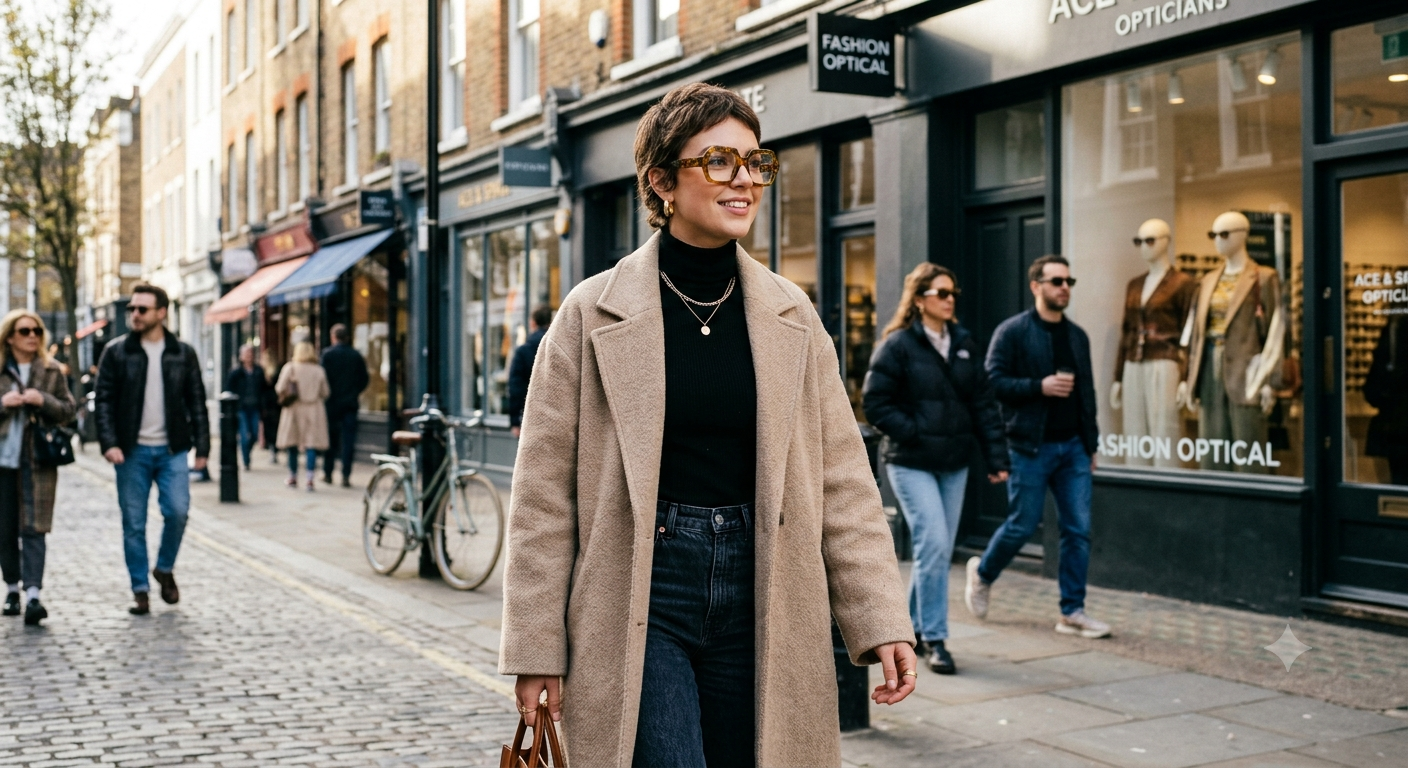
Eyewear has come a long way from being something people wore only to improve their vision. Today, glasses have become one of the most noticeable fashion accessories, helping people express their personality while serving an important practical purpose. Whether someone wears prescription lenses every day or simply enjoys experimenting with different frames, the styles available today are more diverse than ever.
That growing interest explains why eyeglass fashion trends continue to attract attention. People aren’t just looking for the newest designs—they want frames that suit their face shape, match their wardrobe, feel comfortable, and remain stylish beyond a single season.
Still, following every trend isn’t always the best approach. Some frame styles enjoy a brief moment in the spotlight before disappearing, while others remain popular for years because they balance fashion with everyday wearability. Understanding the difference can help buyers make smarter choices and avoid spending money on frames they’ll quickly grow tired of.
Why Eyewear Has Become More Than a Vision Aid
For many people, glasses are one of the first things others notice. Unlike shoes or handbags, they’re worn directly on the face, making them a defining part of someone’s appearance.
This shift has encouraged eyewear brands to create collections that blend functionality with style. Instead of offering only basic black or silver frames, manufacturers now produce countless designs in different materials, colors, and shapes.
It’s not unusual to see people own multiple pairs for different occasions. A bold frame might work well for weekends, while a thinner, classic design feels more appropriate in professional settings.
The variety available today means buyers have far more freedom than they did even a decade ago.
The Styles That Keep Returning Year After Year
Fashion moves in cycles, and eyewear is no exception. Certain styles disappear for a while before returning with updated details.
Oversized frames continue to appeal to people who enjoy making a statement. Thin metal frames remain popular because they offer a clean, minimalist appearance. Transparent acetate frames have also gained attention in recent years, pairing well with both casual and formal outfits.
Round glasses often suit vintage-inspired looks, while rectangular frames continue to dominate business and professional environments. Cat-eye designs remain a favorite among those who prefer a more elegant and expressive appearance.
Although trends evolve, timeless designs rarely become outdated. That’s why many opticians recommend choosing classic shapes if you’re investing in a primary pair of prescription glasses.
What Most Buyers Notice After Wearing New Frames
Trying on glasses in a store usually lasts only a few minutes. Wearing them for eight or ten hours every day tells a different story.
Comfort quickly becomes just as important as appearance.
Frames that feel slightly heavy during a fitting may become uncomfortable after several hours. Nose pads, temple arms, and frame width all influence long-term comfort.
I’ve noticed that many people initially focus almost entirely on color. A few weeks later, they begin talking about weight, fit, and durability instead.
That’s a reminder that the most attractive pair isn’t always the best everyday choice.
Small Design Details That Make a Big Difference
Modern eyewear includes countless subtle details that affect both style and practicality.
Frame material is one of them.
Acetate offers rich colors and bold designs while remaining lightweight. Metal frames create a refined appearance and often feel less bulky. Titanium has become increasingly popular because it’s durable, lightweight, and resistant to corrosion, though it generally costs more.
Hinges also deserve attention.
Flexible spring hinges often improve comfort by allowing slight movement without putting pressure on the sides of the head.
Lens coatings can reduce glare, resist scratches, and help keep lenses cleaner.
These details may not stand out immediately, but they often influence long-term satisfaction more than appearance alone.
The Colors That Continue to Stand Out
Black remains one of the safest choices because it pairs easily with nearly any outfit.
Tortoiseshell continues to be a favorite for its warm, timeless character.
Clear frames create a modern look without overwhelming facial features.
Soft earth tones have become increasingly popular as people move toward more natural color palettes.
Even bold colors like deep green, navy, burgundy, and transparent blue have found loyal audiences.
Choosing a color usually depends less on fashion trends than on personal style, skin tone, and how frequently the glasses will be worn.
A Quick Answer for Shoppers
Which eyeglass frame style stays fashionable the longest?
Classic rectangular, round, tortoiseshell, and thin metal frames tend to remain stylish for years because they work well with changing fashion trends and suit a wide range of face shapes.
Why Face Shape Still Matters
No universal rule guarantees the perfect frame, but face shape remains a useful starting point.
Round faces often benefit from more angular frames that create balance.
Square faces frequently pair well with softer, rounded designs.
Oval faces have the greatest flexibility since many frame shapes complement their natural proportions.
Heart-shaped faces often suit thinner or lightly colored frames that reduce emphasis on a wider forehead.
These aren’t strict rules. Personal preference should always come first, but understanding facial proportions can make shopping much easier.
The Reality Behind Expensive Designer Frames
Designer eyewear often attracts attention because of recognizable logos and premium materials.
Some premium frames genuinely offer excellent craftsmanship, stronger hinges, and higher-quality finishes.
Others cost significantly more due to branding rather than noticeable improvements in everyday performance.
That doesn’t mean designer glasses aren’t worth buying. It simply means buyers should evaluate build quality, comfort, warranty, and lens options rather than focusing only on the brand name.
A well-made mid-range frame can easily outperform a poorly constructed luxury alternative.
Safety Should Never Take a Back Seat
Fashion matters, but vision comes first.
Prescription lenses should always be fitted according to an up-to-date eye examination performed by a qualified eye care professional.
Poorly fitted lenses may contribute to headaches, blurred vision, or eye strain.
People who spend long hours in front of digital screens sometimes choose blue-light filtering lenses. Research on their overall benefits is still evolving, but many users report improved visual comfort during extended screen use. Individual experiences vary, so it’s worth discussing lens options with an optometrist rather than relying solely on online marketing claims.
Quality UV protection also remains essential for sunglasses, especially during prolonged outdoor activities.
Why These Trends Continue to Stay Relevant
Unlike many fashion accessories, glasses combine personal style with daily necessity.
People replace them because prescriptions change, frames wear out, or tastes evolve.
Social media has certainly influenced popular designs, but practicality still drives purchasing decisions. Most buyers want frames that look good without sacrificing comfort.
That’s why eyeglass fashion trends continue evolving while still returning to familiar classics. Fashion introduces fresh ideas, yet timeless designs remain dependable year after year.
Conclusion
Choosing the right glasses is about more than following the latest styles. The best pair combines comfort, durability, quality, and a design that reflects your personality. While eyeglass fashion trends will continue to evolve, timeless frame shapes and well-made materials remain smart choices for everyday wear. Taking the time to find frames that fit both your face and your lifestyle is far more rewarding than simply chasing the newest look.
Frequently Asked Questions
Q:Are oversized glasses still fashionable?
A:Yes. Oversized frames remain popular, especially in modern, vintage-inspired, and statement looks.
Q:Which frame material is the most durable?
A:Titanium is among the most durable and lightweight materials, while acetate also offers excellent longevity with proper care.
Q:How often should eyeglasses be replaced?
A:Many people replace their glasses every two to three years, although prescription changes or frame damage may require earlier replacement.
Q:Do expensive frames always mean better quality?
A:Not always. Some premium brands offer outstanding craftsmanship, while others charge mainly for their brand reputation.
Q:Can fashion glasses be worn without a prescription?
A:Yes. Many people wear non-prescription or blue-light lenses purely for style or screen use, depending on their needs.
Get More Latest Updates on Crawltheworld
