
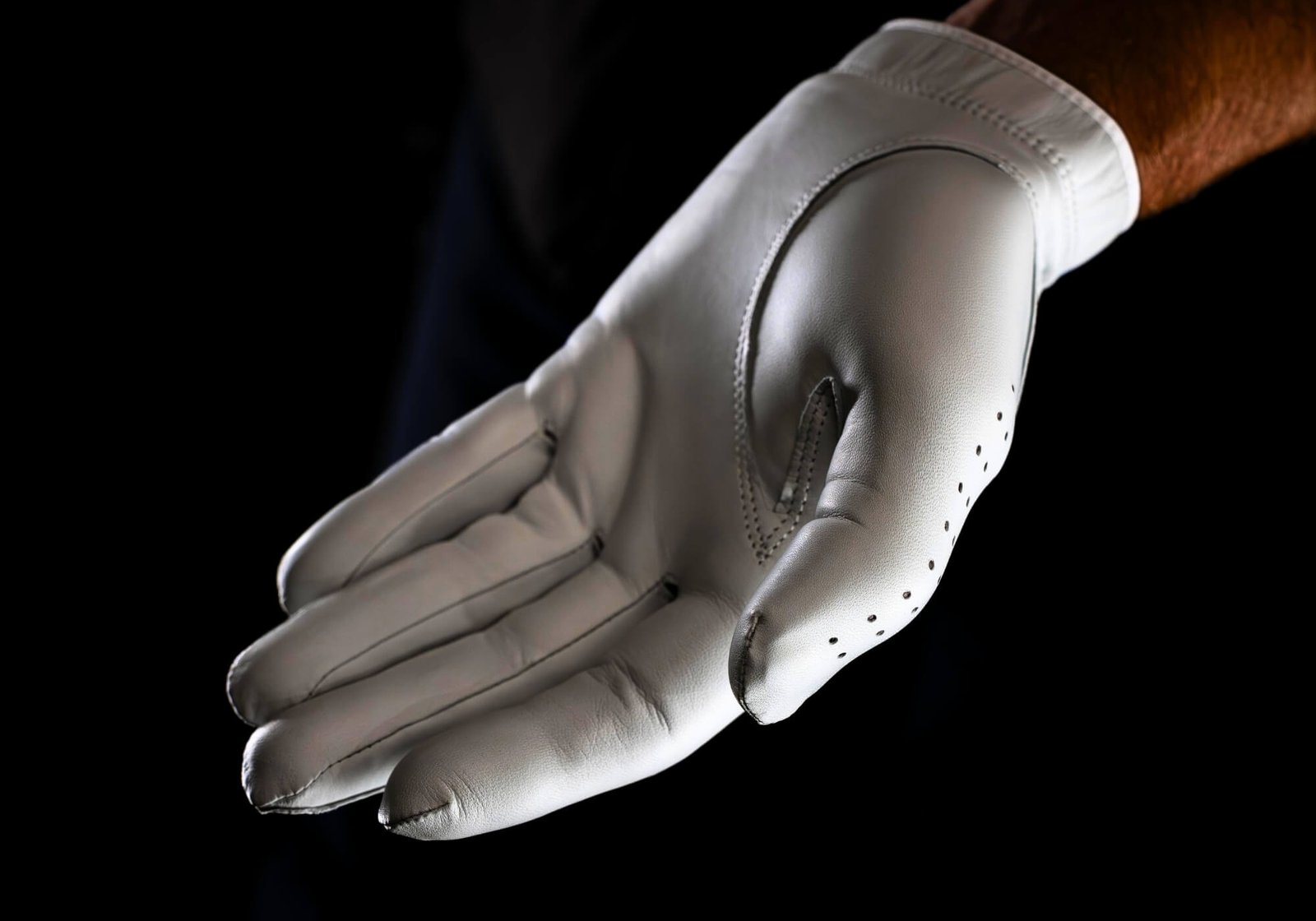
One of the most common questions people ask before buying gloves is whether they should fit snugly or leave a little extra room. It sounds like a simple concern, but the answer depends on the type of gloves, the task you’re performing, and how long you’ll be wearing them. Whether you’re shopping for work gloves, disposable medical gloves, winter gloves, cycling gloves, or fitness gloves, the right fit affects comfort, safety, performance, and even durability.
Many people assume tighter gloves automatically offer better protection. Others believe loose gloves are more comfortable because they don’t squeeze the hands. In reality, neither extreme is ideal. A glove that is too tight can restrict movement and reduce circulation, while one that is too loose may slip, bunch up, or interfere with grip and precision.
That’s why should gloves fit tight remains a frequently searched question. People aren’t just looking for a yes-or-no answer—they want practical guidance that helps them choose the correct size for their needs.
A Quick Answer for Anyone in a Hurry
Should gloves fit tightly?
Yes, but only to a certain extent. Gloves should feel snug enough to stay securely in place without pinching your fingers, restricting circulation, or causing discomfort. The ideal fit allows natural hand movement while maintaining good grip, dexterity, and protection.
Different glove types require slightly different fits, but comfort and function should always go together.
Why Proper Fit Matters More Than People Think
Gloves are often treated as simple accessories, yet they play an important role in many daily activities. Healthcare professionals rely on them for hygiene. Construction workers depend on them for protection. Athletes use them to improve grip, while people in cold climates wear them to retain warmth.
A poor fit can affect all of these situations.
Imagine trying to pick up small laboratory equipment while wearing oversized gloves. Fine movements become difficult because excess material gathers around the fingertips.
Now imagine wearing gloves so tight that your fingers begin feeling numb after twenty minutes.
Neither experience is ideal.
The best gloves almost disappear while you’re wearing them. You remain aware of the task—not the gloves themselves.
The Reason Different Gloves Feel Different
Not all gloves are designed with the same purpose in mind.
Disposable nitrile or latex gloves are expected to fit closer to the skin because they allow better touch sensitivity.
Winter gloves usually include insulation, making them feel slightly roomier.
Leather work gloves often loosen a little after repeated use.
Sports gloves are generally designed for flexibility while maintaining grip.
Motorcycle gloves combine protection with controlled movement.
Understanding the intended purpose helps explain why one size or fit doesn’t suit every category.
Comfort Is More Than Just Personal Preference
When trying on gloves, people often focus only on whether they can get their hands inside.
Comfort involves much more than that.
The fingertips should reach the ends of the glove without excessive pressure.
The palm should feel supported rather than squeezed.
Your fingers should bend naturally.
Closing your fist shouldn’t require noticeable effort.
If removing the gloves leaves deep marks on your skin, they are probably too tight.
On the other hand, if the fingertips collapse or wrinkle while gripping objects, they are likely too large.
Small details like these often determine whether gloves remain comfortable during extended use.
What New Buyers Usually Notice First
Most first-time buyers are surprised by how much glove materials influence the fit.
Leather gradually stretches and adapts to the shape of your hands.
Synthetic fabrics generally maintain their original dimensions longer.
Disposable gloves have limited stretch depending on the material.
Cold-weather gloves include insulation that changes how they feel compared to lightweight work gloves.
This means two gloves labeled with the same size may feel completely different once worn.
Sizing charts provide a helpful starting point, but actually trying them on remains the most reliable method whenever possible.
Why Size Charts Don’t Always Tell the Whole Story
Manufacturers use different sizing systems.
One brand’s medium may fit like another brand’s large.
Materials also respond differently during use.
Even hand shape varies from person to person.
Some individuals have wider palms.
Others have longer fingers.
Because of these natural differences, identical glove sizes won’t provide identical comfort for everyone.
That’s one reason experienced users often remain loyal to brands whose sizing consistently matches their hands.
The Details That Many Reviews Overlook
Product reviews frequently mention durability, appearance, or price.
Fit deserves just as much attention.
Good gloves maintain secure contact with the palm while allowing unrestricted movement.
The wrist closure should hold the glove in position without feeling overly tight.
Finger seams should align comfortably rather than pressing against the skin.
Breathability also matters more than many people expect.
Hands naturally produce heat and moisture during activity.
Materials that trap excessive sweat may become uncomfortable even if the glove size is technically correct.
Small Problems Can Become Big Ones
Wearing poorly fitting gloves occasionally isn’t usually a serious issue.
Using them every day can create ongoing frustration.
Construction workers may struggle with tool control.
Cyclists can experience reduced handlebar grip.
Healthcare workers performing delicate procedures may lose precision.
People working in cold environments may discover that oversized gloves reduce heat retention because excess air circulates around the fingers.
These examples illustrate why proper fit influences both comfort and performance.
The Midpoint Where the Right Choice Becomes Clear
Choosing gloves becomes much easier when you focus on a few practical points.
- Your fingertips should reach the ends comfortably.
- The glove should stay in place without sliding.
- Finger movement should feel natural.
- Grip should remain secure without extra material bunching up.
- Circulation should never feel restricted.
- Wear them for several minutes before deciding if possible.
These simple checks usually reveal whether you’ve selected the correct size.
Safety Isn’t Just About Protection
Many people think gloves automatically improve safety.
Only properly fitted gloves do.
Loose gloves can become caught in moving machinery, creating serious workplace hazards.
Overly tight gloves may reduce blood circulation and contribute to hand fatigue during long tasks.
Some specialized industries have strict guidelines regarding glove selection because incorrect sizing may compromise both safety and efficiency.
This is especially important in healthcare, laboratories, manufacturing, food handling, and heavy industry.
Why Professionals Spend Time Finding the Right Pair
Experienced professionals rarely buy gloves based only on appearance.
They think about how the gloves will perform after several hours of continuous work.
A mechanic values grip.
A laboratory technician prioritizes tactile sensitivity.
A warehouse employee needs durability.
A skier focuses on warmth.
Different priorities naturally influence what feels like the ideal fit.
There isn’t one universal answer that applies to every occupation or hobby.
When a Slightly Snug Fit Makes Sense
There are situations where a closer fit offers clear advantages.
Disposable examination gloves work best when they closely follow the shape of the hand.
Cycling gloves benefit from secure contact that improves control over handlebars.
Weightlifting gloves reduce movement between the hand and the equipment.
In these situations, a snug fit improves precision rather than reducing comfort.
The key difference is that snug should never become restrictive.
Where the Experience Gets More Complicated
There comes a point where the discussion is no longer just about size. The activity you’re doing has a huge impact on what feels comfortable.
For example, someone working outdoors in freezing weather may prefer gloves with a little extra room because trapped air helps with insulation. A laboratory technician, on the other hand, usually needs a closer fit for handling delicate instruments. Gardeners often choose gloves that allow flexibility while still protecting their hands from thorns and rough surfaces.
This is why advice about glove sizing sometimes seems contradictory. Different tasks demand different levels of precision, warmth, protection, and freedom of movement.
The Questions That Keep Coming Up
People often ask whether gloves will stretch over time.
The answer depends largely on the material.
Leather gloves usually mold to the shape of your hands after repeated use. This natural flexibility is one reason many people prefer genuine leather for work or casual wear.
Synthetic materials tend to hold their original shape longer. They may loosen slightly with use, but the change is usually much less noticeable.
Disposable gloves behave differently again. They are designed for temporary use and should fit correctly from the beginning because they are not intended to stretch significantly.
Understanding the material helps set realistic expectations before making a purchase.
Why Good Fit Improves Performance
It’s easy to think of gloves as protective equipment alone, but they also influence performance.
A well-fitted pair improves grip, reduces unnecessary hand movement inside the glove, and allows more precise control when handling tools or equipment.
Even simple daily tasks become easier when gloves move naturally with your hands rather than against them.
People who spend several hours wearing gloves each day often notice this difference almost immediately. The right pair requires very little adjustment once it’s on.
That level of comfort can reduce distraction and help users focus on the task itself.
What Happens When Gloves Are Too Tight
Gloves that are excessively tight create several problems beyond simple discomfort.
Restricted circulation may leave fingers feeling cold or numb.
Hand muscles may tire more quickly because finger movement requires greater effort.
Pressure around the seams can become irritating during extended wear.
In some cases, repeatedly wearing gloves that are too small may increase hand fatigue, particularly during physically demanding work.
If you find yourself wanting to remove your gloves every few minutes simply to relieve pressure, they’re probably not the correct size.
What Happens When Gloves Are Too Loose
Oversized gloves create a different set of challenges.
Extra material around the fingertips can reduce accuracy.
Grip becomes less secure because the hand shifts inside the glove.
Objects may feel awkward to hold, especially when performing detailed work.
Loose gloves can also wear out more quickly because the material folds and rubs during movement.
For industrial settings, excessively loose gloves may even increase certain workplace hazards if they catch on equipment.
Finding the balance between secure and comfortable is usually the safest approach.
Are Expensive Gloves Always Better?
Not necessarily.
Higher-priced gloves often use premium materials, stronger stitching, or specialized protective features. That can improve durability and comfort, especially for professionals who wear gloves daily.
However, even an expensive glove will perform poorly if the size is wrong.
Likewise, many affordable gloves provide excellent performance when chosen carefully for the intended task.
Rather than focusing only on price, consider the quality of construction, material, intended use, and overall fit.
Those factors usually have a greater influence on long-term satisfaction.
Why This Question Is Still So Relevant
The growing popularity of DIY projects, cycling, fitness training, gardening, healthcare careers, and outdoor recreation means more people are buying gloves than ever before.
At the same time, online shopping has made sizing slightly more challenging.
Without trying gloves on first, buyers naturally search for guidance before ordering.
That explains why should gloves fit tight continues to appear in search results. People want confidence that they’re choosing equipment that will actually work for them instead of relying only on a manufacturer’s size chart.
A Quick Answer Before You Buy
How should gloves feel when worn?
A properly fitted glove should feel secure but comfortable. Your fingers should reach the ends naturally, your hand should move freely, and there should be no painful pressure or excessive looseness. If you can comfortably grip, bend your fingers, and wear the gloves for an extended period without discomfort, you’ve likely found the correct fit.
Practical Advice That Makes Shopping Easier
If you’re buying gloves in person, try them on and mimic the movements you’ll actually perform. Grip an object, make a fist, stretch your fingers, and wear them for a few minutes rather than judging the fit immediately.
For online purchases, measure both your palm width and hand length instead of guessing your size. Reading customer reviews can also help identify whether a particular brand tends to run small, large, or true to size.
If you’re between two sizes, the better choice often depends on the material and intended use. Leather may stretch slightly over time, while insulated winter gloves may feel more comfortable with a little extra room.
Conclusion
The answer to should gloves fit tight isn’t simply yes or no. The ideal fit is one that feels snug enough to stay securely in place while still allowing natural movement, good circulation, and lasting comfort. Gloves that are too tight can restrict movement and create fatigue, while loose gloves reduce control and may even affect safety in certain environments.
Choosing the right size requires considering the glove’s purpose, material, and how long you’ll wear it. Whether you’re using gloves for work, sports, healthcare, gardening, or cold weather, a balanced fit will almost always provide the best combination of protection, comfort, and performance. Taking a few extra minutes to select the right pair is a small effort that can make a noticeable difference every time you wear them.
FAQs
Q: Should gloves feel tight when they are new?
A: They should feel comfortably snug, not painfully tight. Some materials, such as leather, may soften and adapt slightly with use.
Q: How can I tell if my gloves are too small?
A: Signs include numb fingers, restricted movement, difficulty making a fist, pressure marks on your skin, or discomfort after wearing them for a short time.
Q: Is it okay to buy gloves one size larger?
A: It depends on the intended use. Winter gloves sometimes benefit from a little extra space, while work, sports, and medical gloves generally perform better with a closer fit.
Q: Do leather gloves stretch over time?
A: Yes. Genuine leather usually conforms to the shape of your hand after repeated use, though it should never be purchased so tight that it causes pain.
Q: Why do different brands fit differently?
A: Manufacturers use different sizing standards, materials, and glove designs, so a medium in one brand may feel different from a medium in another.
Q: Is proper glove sizing important for safety?
A: Absolutely. Correctly fitted gloves improve grip, comfort, and control while reducing the risks associated with overly loose or excessively tight gloves.
Come here for more details : crawltheworld
