
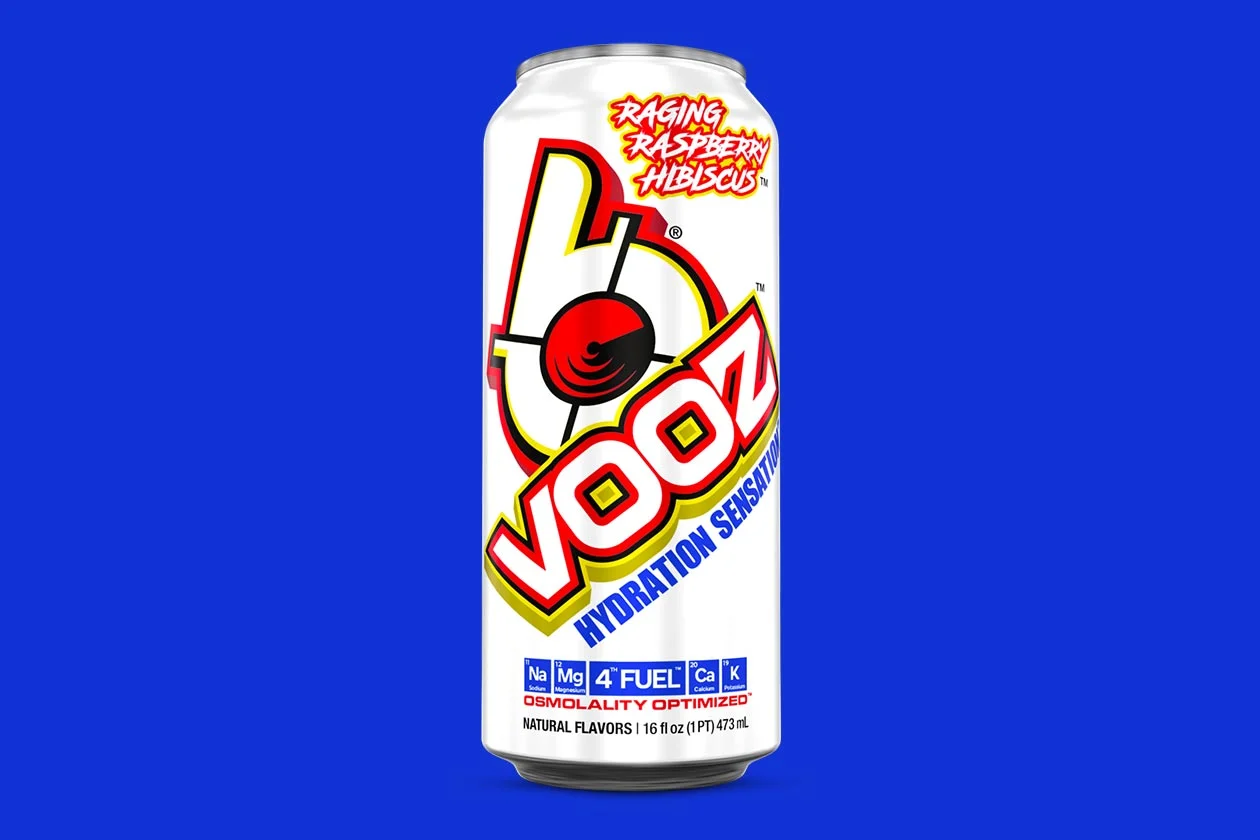
Walk through the beverage aisle of a supermarket or browse fitness products online, and you’ll quickly notice that hydration drinks have become more than just sports beverages. Consumers now look for drinks that promise better hydration, cleaner ingredients, fewer calories, and convenient nutrition. Among the many names that have appeared in this growing market is vooz, a brand that has attracted curiosity from athletes, fitness enthusiasts, and everyday consumers alike.
People search for this drink for different reasons. Some have seen it on store shelves and want to know whether it’s an energy drink or a hydration beverage. Others are comparing it with well-known brands like Gatorade, Powerade, or BodyArmor. There are also consumers who simply want to know whether the product is still available and whether it offers anything different from the many electrolyte drinks already on the market.
Unlike traditional sports drinks that focus heavily on sugar for quick energy, this beverage was introduced with a different approach. It aimed to provide hydration through electrolytes while keeping sugar content extremely low or completely absent, appealing to people who wanted a lighter alternative.
Quick Answer
What is VOOZ?
VOOZ is a hydration beverage created by VPX Sports, the company known for Bang Energy. Rather than functioning as a stimulant-packed energy drink, it was designed to help replenish fluids and electrolytes while offering a zero-sugar formula. It targets people looking for hydration before, during, or after physical activity.
Why Hydration Drinks Became So Popular
A decade ago, sports drinks were mainly associated with athletes competing in demanding events. Today, the audience has expanded dramatically.
Office workers keep electrolyte drinks at their desks.
Gym members drink them after strength training.
Cyclists carry them during long rides.
Even travelers use hydration beverages during hot weather or long flights.
This shift happened because people became more aware that hydration affects daily performance, concentration, and recovery—not just competitive sports.
That growing awareness created room for newer brands to enter the market with fresh ideas.
A Different Direction From Traditional Sports Drinks
Many older hydration beverages contain noticeable amounts of sugar because they were originally formulated to provide both fluids and quick carbohydrates during prolonged exercise.
VOOZ followed another path.
Its formula focused more on hydration while avoiding the high sugar content found in many conventional sports drinks.
That immediately appealed to consumers watching their calorie intake or limiting added sugars as part of a healthier lifestyle.
For someone who simply wants to replace fluids after a workout, a lower-sugar option can feel like a practical choice.
Of course, athletes participating in endurance events lasting several hours may still require carbohydrates from other sources depending on their activity level.
What Most First-Time Buyers Notice
Taste usually determines whether someone purchases a beverage again.
Reviews have often described the drink as lighter than many traditional sports beverages. Instead of an overly sweet flavor, many users appreciated its cleaner taste.
Of course, taste is highly personal.
One person may enjoy a mild citrus flavor while another prefers stronger fruit profiles.
That explains why beverage reviews often vary even when discussing the same product.
Packaging also plays an important role.
Modern bottle designs and colorful branding helped the drink stand out among competitors, particularly on convenience store shelves where dozens of hydration products compete for attention.
Looking Beyond the Label
Many consumers immediately turn the bottle around to read the nutrition panel.
That habit is actually a good one.
Rather than focusing only on marketing claims printed on the front, checking ingredients, electrolyte content, serving size, and nutrition facts provides a much clearer understanding of what the beverage offers.
People sometimes assume that all hydration drinks are nearly identical.
In reality, formulations can differ considerably in terms of sodium, potassium, magnesium, sweeteners, flavorings, and calorie content.
Those differences may influence which product best fits an individual’s lifestyle.
Who Might Actually Benefit From It
Hydration beverages are not intended only for professional athletes.
Several groups may find them useful in everyday life.
Someone exercising in warm weather may appreciate replacing fluids after sweating.
Outdoor workers exposed to high temperatures often lose electrolytes during long shifts.
Fitness enthusiasts attending regular gym sessions sometimes include electrolyte beverages as part of their recovery routine.
Travelers may also find hydration drinks convenient during long journeys where maintaining fluid balance becomes more challenging.
That doesn’t mean everyone needs specialized beverages every day.
For many healthy people performing light daily activities, plain water remains perfectly adequate.
Where Expectations Sometimes Become Unrealistic
Hydration drinks are often surrounded by impressive marketing.
It’s easy to assume they dramatically improve athletic performance or instantly increase energy.
Reality tends to be more balanced.
These beverages support hydration.
They do not replace proper nutrition, sufficient sleep, consistent training, or an overall healthy lifestyle.
Someone who expects dramatic physical changes simply from drinking electrolyte beverages will probably be disappointed.
On the other hand, replacing fluids after intense exercise can genuinely contribute to better recovery and comfort.
Practical Things Worth Considering
Before choosing any hydration beverage, it helps to think about a few simple factors.
- Check the electrolyte content instead of relying only on advertising.
- Read the nutrition label carefully.
- Consider your activity level before buying sports beverages regularly.
- Compare serving sizes between brands.
- Remember that water remains the best choice for routine hydration in many situations.
These small habits often lead to better purchasing decisions than focusing only on eye-catching packaging.
Safety Questions People Often Ask
For most healthy adults, electrolyte drinks are generally safe when consumed according to their intended purpose.
However, moderation still matters.
People with kidney disease, certain heart conditions, or medical conditions requiring sodium or potassium restrictions should consult a healthcare professional before regularly consuming electrolyte beverages.
Children also have different hydration needs than adults.
Likewise, hydration drinks should never replace balanced meals or adequate daily water intake.
Used appropriately, they can complement an active lifestyle rather than becoming its foundation.
Why Opinions About It Are So Mixed
One reason this beverage continues to generate interest is that people expect different things from hydration products. Some consumers are looking for an alternative to sugary sports drinks, while others expect an energy boost similar to caffeinated beverages.
This difference in expectations often leads to mixed reviews.
Those who understand that the drink is designed primarily for hydration are usually more satisfied with what it offers. On the other hand, people expecting the stimulating effects of an energy drink may feel it doesn’t deliver what they had in mind.
This is a common issue in the beverage industry. Products created for hydration, energy, recovery, and nutrition may appear similar on store shelves, yet they serve very different purposes.
How It Compares With Familiar Alternatives
The hydration beverage market has become highly competitive.
Brands such as Gatorade and Powerade have long been associated with sports performance, offering electrolyte replacement along with carbohydrates for endurance activities. Newer brands like BodyArmor introduced coconut water and vitamins as part of their formulas, while other companies emphasize natural ingredients or reduced sugar.
VOOZ entered the market by focusing on hydration with little or no sugar, making it appealing to consumers who wanted a lighter option.
No single beverage is objectively the “best.” The right choice depends on a person’s activity level, dietary preferences, taste, and nutritional needs.
Someone running a marathon may have different hydration requirements than someone taking a short walk after work.
The Practical Value in Everyday Life
One of the biggest strengths of hydration beverages is convenience.
After an intense workout or spending several hours outdoors in hot weather, carrying a ready-to-drink electrolyte beverage can be easier than preparing homemade hydration solutions.
Many people also appreciate having flavored options because they encourage better fluid intake, especially for those who struggle to drink enough plain water.
That said, these beverages should be viewed as supplements to healthy hydration habits rather than replacements for water.
In everyday situations involving light activity, plain water continues to be the simplest and most effective choice.
Is It a Legitimate Product?
Yes. VOOZ was introduced by VPX Sports, a recognized company in the sports nutrition industry.
Its hydration claims are based on the well-established role of electrolytes in maintaining fluid balance. Electrolytes such as sodium and potassium help the body regulate hydration, particularly after sweating during exercise.
However, consumers should be cautious of exaggerated marketing claims from any beverage brand. No hydration drink can replace balanced nutrition, regular exercise, or proper medical care.
Reading nutrition labels and understanding personal hydration needs remain the best ways to make informed choices.
The Limitations Worth Knowing
Every beverage has limitations, and this one is no exception.
People looking for significant energy support won’t find the same level of stimulation they would get from caffeinated energy drinks.
Availability has also become a challenge in some regions. Depending on where you live, the product may be harder to find than more established sports drink brands.
Taste preferences vary widely as well. Some consumers enjoy lighter flavors, while others prefer sweeter drinks with stronger fruit profiles.
Another limitation is that hydration beverages work best when paired with an overall healthy lifestyle. They cannot compensate for poor nutrition, lack of sleep, or inadequate fluid intake throughout the day.
Does It Still Matter Today?
The hydration market continues to evolve as consumers become more health-conscious.
Many shoppers now pay closer attention to sugar content, artificial ingredients, and nutritional value than they did a decade ago.
This shift keeps lower-sugar hydration beverages relevant, even as new competitors enter the market.
Although some brands receive more advertising attention than others, the broader trend toward functional beverages suggests that products focusing on hydration continue to have a place in today’s market.
People are increasingly interested in beverages that fit active lifestyles without excessive sugar or unnecessary calories.
The Bigger Picture
Perhaps the most interesting thing about this drink isn’t the product itself but what it represents.
Consumer preferences have changed.
Instead of choosing beverages solely based on flavor, many people now compare ingredients, nutrition facts, electrolyte levels, calorie counts, and overall purpose before making a purchase.
That shift has encouraged beverage companies to develop products aimed at specific lifestyles rather than offering one solution for everyone.
Whether someone chooses VOOZ or another hydration beverage, the growing focus on informed purchasing is a positive trend.
Conclusion
Vooz represents the modern shift toward functional hydration rather than traditional sugary sports drinks. By focusing on electrolytes and a lower-sugar approach, it appealed to consumers looking for practical hydration without unnecessary calories. While it may not be the ideal choice for every individual or every type of exercise, it demonstrates how beverage preferences continue to evolve alongside changing health and fitness habits.
For most people, the best approach is to match hydration choices with their daily activity level, personal nutritional needs, and overall lifestyle. Water remains the foundation of good hydration, while electrolyte beverages can provide additional support when physical activity, heat, or prolonged exercise increases fluid loss. Used with realistic expectations, vooz can be viewed as one option among many in today’s growing hydration market.
FAQs
Q: Is VOOZ an energy drink?
A: No. It was developed primarily as a hydration beverage rather than a traditional caffeinated energy drink.
Q: Who should consider drinking it?
A: It may be suitable for active individuals, gym-goers, outdoor workers, and anyone looking to replace fluids and electrolytes after sweating.
Q: Does it contain sugar?
A: The drink was marketed with a zero-sugar or very low-sugar formula, depending on the specific product version.
Q: Can it replace water?
A: No. Water should remain the primary source of daily hydration. Electrolyte drinks are best used when extra hydration support is needed.
Q: Is it safe to drink every day?
A: Healthy adults can generally consume hydration beverages in moderation, but people with certain medical conditions should seek advice from a healthcare professional before making them a regular habit.
Q: Is it still relevant today?
A: Yes. Interest in lower-sugar functional beverages and electrolyte drinks continues to grow as more consumers prioritize healthier hydration options.
For more details : crawltheworld
