
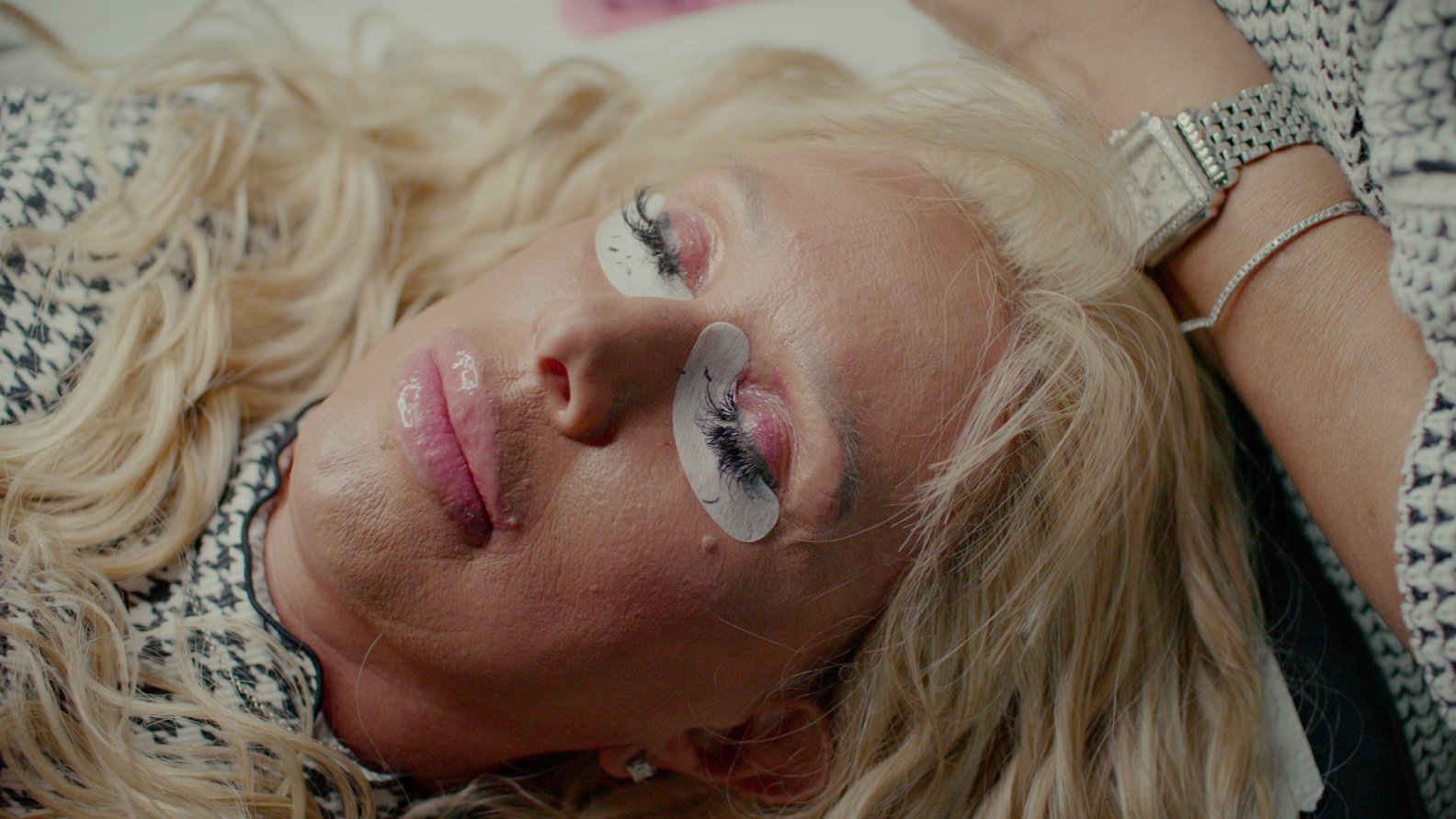
Have you ever watched a documentary and found yourself pausing every few minutes just to ask, “Wait… did that really happen?” That was my reaction the first time I heard about tonia haddix. It wasn’t just another story about exotic animals. It felt like something pulled straight from a movie—filled with mystery, emotional moments, legal trouble, and one chimpanzee that somehow became the centre of it all.
People often remember headlines, but the real story is much more layered. Depending on who you ask, Tonia Haddix is either someone who genuinely loved animals or someone whose decisions raised serious ethical and legal questions. The truth isn’t as simple as either side would like to believe.
Let’s take a closer look at who she is, why her name suddenly appeared everywhere, and what this unusual case says about keeping wild animals in captivity.
Who Is Tonia Haddix?
Tonia Haddix became widely known after appearing in discussions surrounding the HBO documentary Chimp Crazy. Before that, she wasn’t exactly a public figure. She worked with exotic animals for years and was especially passionate about chimpanzees.
Unlike people who see chimpanzees only in zoos or wildlife documentaries, Haddix spent much of her life around them. She often described them as intelligent, emotional animals capable of forming deep relationships with humans.
That emotional connection eventually became one of the biggest talking points in her story.
Why Did Her Story Capture So Much Attention?
At first glance, it might sound like another dispute over animal ownership. But the reality was far more dramatic.
The controversy largely centred on a chimpanzee named Tonka. Authorities believed Tonka had died, yet later investigations suggested otherwise. That revelation triggered legal battles, media coverage, and endless online discussions.
People weren’t only interested because of the mystery. They were fascinated by the emotional bond between humans and animals—and where that relationship crosses legal and ethical boundaries.
The case quickly spread across social media because every new detail seemed stranger than the last.
The Relationship Between Humans and Chimpanzees
Chimpanzees are incredibly intelligent. They recognise faces, solve problems, use tools, and display emotions that often remind us of ourselves.
That’s exactly why people sometimes make the mistake of thinking they can be treated like family pets.
The reality is very different.
Intelligence Comes With Challenges
A young chimp may seem playful and affectionate, but adulthood changes everything.
Adult chimpanzees are incredibly strong—several times stronger than the average human. Even trained handlers face risks when working with mature chimps.
Experts often stress that these animals belong in carefully managed sanctuaries or conservation environments rather than private homes.
How Chimp Crazy Changed Public Opinion
Documentaries have a unique way of making people care about stories they might otherwise ignore.
Chimp Crazy introduced viewers to a world that many didn’t even know existed—a network of private chimp owners, breeders, trainers, and collectors.
Rather than presenting simple heroes and villains, the documentary showed complicated people making emotional decisions.
Many viewers walked away with mixed feelings.
Some sympathised with Haddix because of her attachment to the animals.
Others believed personal affection could never outweigh animal welfare laws.
That’s part of what made the documentary so widely discussed.
Explore More Insights: crawltheworld
Why Keeping Exotic Animals Is So Controversial
Stories like this always raise a bigger question.
Should private individuals be allowed to own animals like chimpanzees?
Supporters often argue:
- They provide excellent care.
- Animals receive individual attention.
- Emotional bonds can improve quality of life.
Critics respond with equally strong arguments.
Chimpanzees require complex social groups, specialised veterinary care, and enormous living spaces that are difficult for private owners to provide consistently.
Even when owners genuinely love the animals, love alone doesn’t solve those challenges.
Public Reactions Were Deeply Divided
One thing became obvious after the documentary aired.
Almost everyone had an opinion.
Some believed Tonia Haddix had dedicated years of her life to caring for chimpanzees and deserved understanding.
Others focused on court findings and animal welfare concerns, arguing that regulations exist for good reason.
Social media didn’t make the conversation any calmer.
Short video clips, headlines, and edited interviews often removed important context, leading many people to form opinions before learning the full story.
That’s become fairly common today.
What This Case Says About Animal Welfare
Animal welfare isn’t simply about providing food and shelter.
Modern standards also consider:
- Mental stimulation
- Natural behaviour
- Social interaction
- Veterinary care
- Safe environments
Chimpanzees are highly social creatures.
Living without other chimps for long periods can create serious behavioural and psychological problems.
This is one reason wildlife experts continue encouraging the transfer of privately owned chimpanzees to accredited sanctuaries whenever possible.
Why People Become Attached to Exotic Animals
It’s easy to judge situations like this from a distance.
But human psychology plays a huge role.
When someone spends years raising an animal from infancy, emotional attachment naturally develops.
Owners often describe chimpanzees almost like children.
The problem is that emotional attachment can sometimes make it difficult to recognise what’s actually best for the animal.
That conflict sat at the heart of the tonia haddix story.
Neither side denied that emotions were involved.
They simply disagreed about where responsibility should come first.
Lessons We Can Learn
Whether someone agrees with Haddix or not, the story offers valuable lessons.
First, wild animals remain wild, no matter how closely they live with humans.
Second, emotional bonds don’t replace scientific understanding or professional care.
And finally, documentaries remind us that real life is rarely black and white.
People often make decisions believing they’re doing the right thing, even when others strongly disagree.
Understanding those motivations doesn’t necessarily excuse every action, but it helps explain why these stories become so complicated.
Why This Story Still Matters
The headlines may eventually fade, but conversations about exotic animal ownership aren’t going away anytime soon.
Governments continue reviewing wildlife regulations.
Animal sanctuaries are expanding.
Public awareness has grown dramatically over the past decade.
The story surrounding tonia haddix became more than a personal legal dispute—it became part of a much larger discussion about conservation, ethics, and our relationship with intelligent wild animals.
Many viewers finished the documentary with more questions than answers, and perhaps that’s exactly what makes it memorable.
FAQs
Q: Who is Tonia Haddix?
A: Tonia Haddix is an exotic animal caretaker who became widely known through the documentary Chimp Crazy and the controversy surrounding a chimpanzee named Tonka.
Q: Why is Tonia Haddix famous?
A: She gained public attention because of legal disputes involving the care and whereabouts of Tonka, a captive chimpanzee, along with her appearance in a high-profile documentary.
Q: Who is Tonka?
A: Tonka is a chimpanzee that became the focus of court proceedings and public discussion regarding private ownership and animal welfare.
Q: Why are chimpanzees difficult to keep as pets?
A: Chimpanzees are extremely intelligent, powerful, and social animals. They require specialised care, large living spaces, and interaction with other chimpanzees, making private ownership highly challenging.
Q: What is Chimp Crazy about?
A: The documentary explores the world of private chimpanzee ownership, the emotional relationships between owners and animals, and the legal and ethical issues surrounding captivity.
Q: What can people learn from this story?
A: The case highlights the importance of responsible animal care, respecting wildlife laws, and recognising that wild animals have needs that often cannot be fully met in private settings.
Explore more websites like: crawltheworld
