
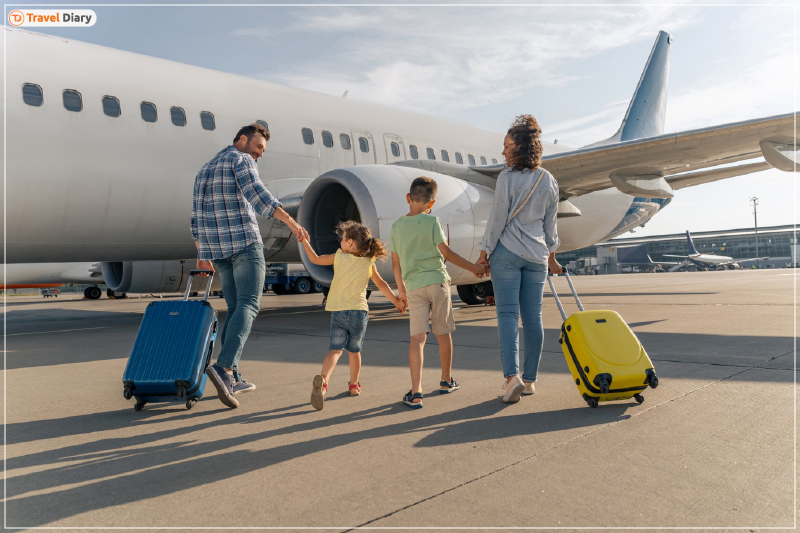
Three years ago, we packed the car at 5 a.m., convinced we were the most organized family on the planet. Snacks? Packed. Playlist? Ready. Kids buckled in with their little travel pillows. And then, forty minutes into the drive, my youngest asked, “Are we there yet?” for what felt like the hundredth time before we’d even left the state.
That trip taught me more about traveling with kids than any guide ever could. It wasn’t a disaster, exactly, but it wasn’t the Pinterest-perfect adventure I’d imagined either. Somewhere between the meltdown at the gas station and the surprisingly peaceful sunset picnic that followed, I realized planning a trip with your family isn’t about getting everything right. It’s about being ready for things to go a little sideways and still having a good time anyway.
If you’re gearing up for a getaway with your own crew, I want to share what’s actually worked for us, not the polished version you see in travel brochures, but the real, sometimes messy truth. These family travel tips come from years of trial and error, a few tears (mine included), and a whole lot of laughing about it afterward.
Start With Less Planning Than You Think You Need
I used to be the person with a color-coded itinerary. Every hour accounted for. Every museum pre-booked. And you know what happened? My kids hated it. They didn’t care about the guided tour of the old church; they cared about the pigeons in the courtyard outside.
So now, we plan the bones of the trip and leave the rest loose. Book the flights, sort the accommodation, figure out how you’re getting from the airport to wherever you’re staying. Everything else? Let it breathe a little. Kids don’t experience travel the way adults do. They’re not ticking off landmarks. They’re noticing the weird shaped rocks, the stray cats, the ice cream flavors they’ve never heard of.
This is honestly one of the most underrated family travel tips out there: build in space to do nothing. An afternoon with no plans might turn into the best memory of the whole trip.
Pick a Home Base, Not a Marathon
Early on, we tried to see three cities in five days. Never again. We were so busy checking in and out of hotels that we barely remembered where we’d been by the time we got home. Now we pick one or two spots and stay put for longer stretches. It gives everyone, especially the little ones, time to actually settle in instead of living out of a suitcase that never gets fully unpacked.
Packing Smart Without Losing Your Mind
Okay, real talk. Packing for a family trip is its own kind of chaos. You’re not just packing for yourself anymore. You’re packing for someone who insists on wearing the same dinosaur shirt every single day, and someone else who suddenly develops opinions about socks.
Here’s what genuinely helps: pack by outfit, not by category. Instead of throwing all the shirts in one pile and pants in another, I put together full daily outfits in gallon bags or packing cubes. Grab a bag, done. No digging through a suitcase at 6 a.m. trying to find a matching sock while everyone’s cranky and the shuttle’s waiting downstairs.
Bring less than you think you need, too. There’s a laundromat or a sink in basically every town on earth. And kids grow out of clothes so fast that the extra outfit “just in case” usually just takes up space anyway.
A first aid kit that actually gets used, not the fancy one you bought and never opened, matters more than people realize. Band-aids, children’s pain reliever, motion sickness tablets if your kid gets carsick like mine does. I learned this one the hard way on a ferry ride in Greece that I will not be describing in detail.
Entertainment That Doesn’t Rely on a Screen (But Also, Screens Are Fine)
I’ll be honest, we use tablets on long flights. Anyone who tells you they don’t is probably not being fully truthful, or their kids are just built differently than mine. But screens run out of battery, kids get bored of them, and sometimes you’re in a place with no wifi and a very restless six-year-old.
We keep a small bag of low-tech entertainment too. A deck of cards. A travel version of a favorite board game. A notebook for doodling. My daughter went through a phase where she’d “interview” everyone in the family about the trip so far, and honestly, some of those recordings are gold now.
Choosing Destinations That Actually Work for Kids
Not every place that looks amazing on Instagram is amazing with a toddler in tow. I learned this after dragging my then-three-year-old through what was supposed to be a beautiful hike that turned into two hours of carrying a screaming child up a mountain path. Gorgeous views. Terrible decision.
Now, before we book anywhere, I think about pacing. Are there places to rest? Bathrooms that aren’t a forty-minute walk away? Food options that aren’t going to require a meltdown negotiation because the only restaurant serves food nobody under the age of ten will touch?
Beach destinations tend to be forgiving because kids can just exist there for hours without needing much else. Cities work well too, oddly enough, because there’s always something to look at even during the boring parts, a street performer, a weird statue, pigeons doing pigeon things.
Explore more websites like:crawltheworld
Ask Your Kids What They Want (Even a Little)
This one sounds obvious, but I skipped it for years. Once we started asking our kids what they wanted to do, even giving them two options to pick from, the whole trip changed. My son picked an aquarium over a historical site we adults wanted to see, and it ended up being the highlight of the whole week for all of us. Kids remember what they chose. It gives them a sense of ownership over the trip instead of just being dragged along.
Budgeting Without Making It Feel Like a Spreadsheet Exercise
Travel with a family costs more than travel alone, that’s just math. But there are ways to make it work without draining your savings account or spending the whole trip stressed about money.
Renting an apartment or a place with a kitchen instead of always staying in hotels saves a surprising amount. Not because we’re gourmet chefs on vacation, but because being able to make breakfast or a quick lunch means we’re not paying restaurant prices three times a day for a family of four.
Traveling during shoulder season, that awkward in-between time that’s not quite peak summer but not the dead of winter either, tends to be both cheaper and less crowded. Fewer lines. Fewer crying kids waiting an hour to see something. Everyone’s happier, including your wallet.
One thing that surprised me: a lot of attractions have family passes or discounts that aren’t advertised loudly. You sometimes have to ask at the counter. I’ve saved real money just by asking, “Is there a family rate?” It doesn’t hurt to check, and worst case, they say no and you’re exactly where you started.
Free Days Are Real Days Too
Not every day needs an entry fee attached to it. Some of our favorite family memories come from days where we didn’t spend much at all, wandering a local market, finding a park with a good playground, watching the sunset from wherever we happened to be standing. These days matter just as much as the big-ticket ones, and honestly, kids often remember them more vividly.
Handling the Meltdowns (Because They Will Happen)
I wish someone had told me earlier that meltdowns don’t mean the trip is ruined. They just mean a small human is tired, hungry, overstimulated, or all three at once. It happens at home too. It just feels bigger when you’re in an unfamiliar place surrounded by strangers.
What’s helped us most is building in downtime before the meltdown even starts. If we notice everyone’s getting quiet and a little snappy, that’s the cue to stop, sit down somewhere, get a snack, and just breathe for twenty minutes. It’s not always convenient. Sometimes it means missing the last fifteen minutes of a tour or skipping a museum wing. But a calm family beats a checked-off itinerary every time.
And look, sometimes it just happens anyway, in the middle of a train station, with everyone watching. It’s happened to us more than once. You survive it. You laugh about it later, usually sooner than you’d expect.
Keeping Everyone Connected Without Overdoing It
There’s something nice about unplugging a bit while traveling, but staying loosely connected matters too, especially with grandparents who want updates or older kids who might want to text a friend back home. We don’t go fully off-grid, but we do set boundaries. Phones down during meals. No scrolling during the actual sightseeing part. It sounds strict written out like that, but honestly nobody complains much once it becomes routine.
A Shared Trip Journal Changed Everything for Us
This one might sound a little cheesy, but stick with me. We started keeping one shared notebook where everyone, even the youngest who can barely write, adds something each day. A drawing, a sentence, a pressed flower taped to the page. Years later, these notebooks are some of our most treasured things from home. More than photos, honestly, because they capture what the kids were actually thinking at the time, not just how the trip looked from behind a camera.
Final Thoughts From Someone Who’s Been There
Traveling with a family isn’t about perfection. It’s not about the Instagram photo where everyone’s smiling and nobody’s covered in ice cream or crying about a lost stuffed animal. The real trips, the ones that stick with you, are usually a little messier than that. They involve compromise, unexpected detours, and moments you didn’t plan for that end up mattering the most.
If there’s one thing I’d want another parent to walk away with, it’s this: give yourself grace. Some of the best family travel tips aren’t really tips at all, they’re just permission to slow down, adjust your expectations, and let the trip unfold the way it’s going to unfold. Your kids won’t remember whether you saw everything on the list. They’ll remember how it felt to be there with you.
So pack the snacks, bring the extra socks, and don’t stress too much about the itinerary falling
apart a little. It usually does, and somehow, that’s often when the good stuff happens.
FAQs
Q: What age is best to start traveling with kids?
A: Honestly, there’s no perfect age. We started when our oldest was just a baby, and while it was exhausting at times, babies are surprisingly portable. Toddlers tend to be the trickiest age since they’re mobile but don’t fully understand instructions yet. Once kids hit around four or five, things generally get a bit smoother.
Q: How do you handle jet lag with young children?
A: We try to shift bedtime gradually a few days before departure, even just by fifteen minutes a night. Once we arrive, getting outside in natural daylight helps reset everyone’s internal clock faster than staying cooped up in a hotel room.
Q: Is it worth paying extra for direct flights with kids?
A: For us, almost always yes. Layovers sound fine in theory, but with tired, hungry kids, an extra hour in an airport can turn a smooth day into a rough one. If a direct flight is even slightly within budget, we take it.
Q: What’s the biggest mistake families make when planning a trip?
A: Overplanning. I made this mistake for years. Cramming too much into each day leaves no room for rest, and tired kids (and tired parents, let’s be honest) don’t enjoy anything, no matter how amazing the destination is.
Q: How do you keep kids entertained during long car rides?
A: A mix of things works better than relying on just one. We rotate between audiobooks, simple car games like spotting license plates from different states, and yes, occasional screen time. Frequent stops help too, even short ones just to stretch and run around for ten minutes.
Q: Any tips for traveling on a tighter budget with a family?
A: Cooking some of your own meals makes a huge difference over the course of a trip. Traveling during shoulder season instead of peak holidays also saves money and cuts down on crowds. And don’t be afraid to ask about family discounts, they’re not always advertised but often available if you just ask.
Explore More Insights:crawltheworld
