
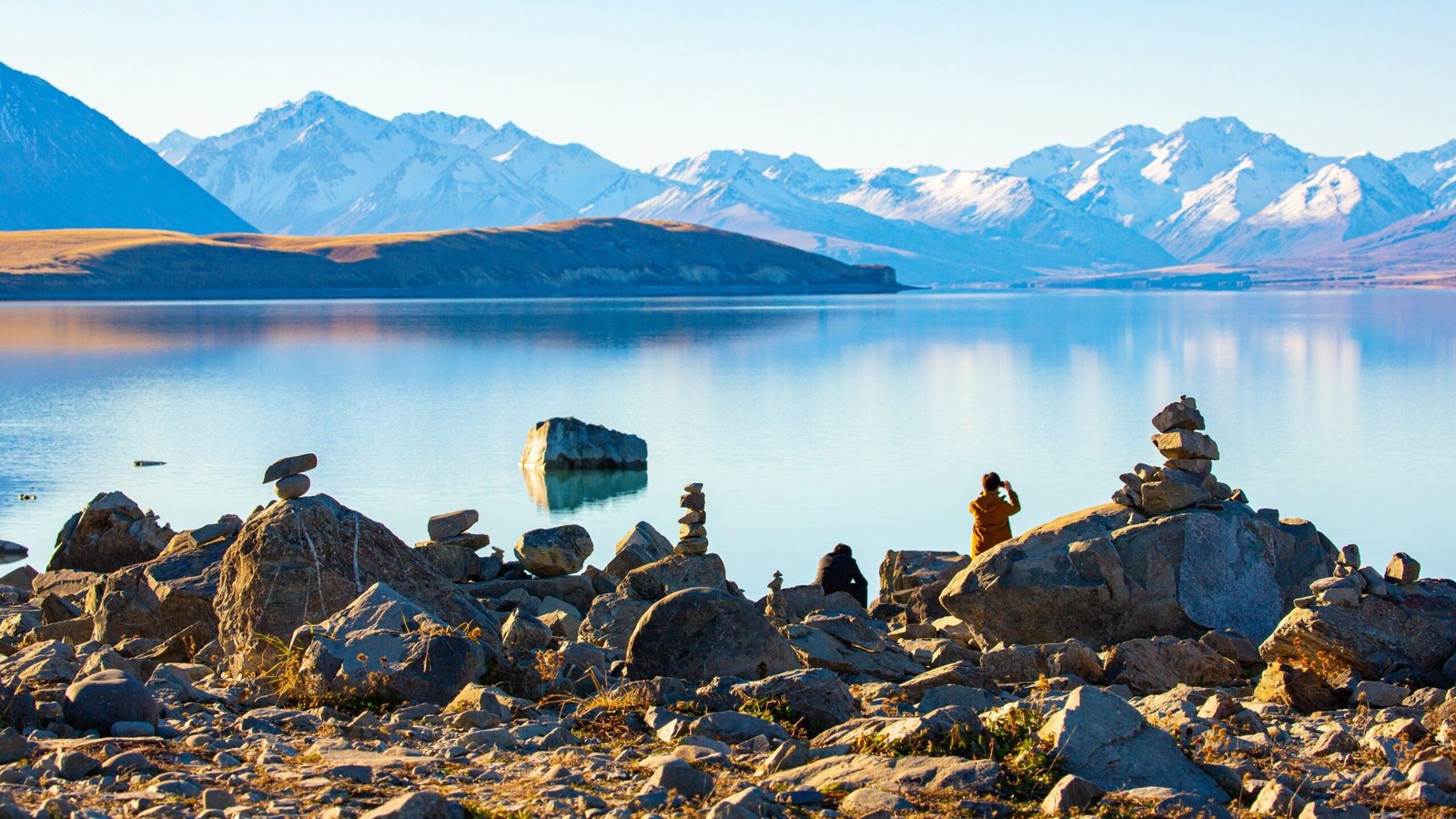
A friend once asked me if New Zealand really lived up to all the stunning photos online. I laughed because I remembered asking myself the same thing before my first visit. The truth is, pictures don’t quite prepare you for what it’s actually like. You expect beautiful mountains and crystal-clear lakes, but you don’t expect how peaceful everything feels. The roads are quieter, the air seems fresher, and somehow even a simple drive turns into an adventure.
There were moments when I’d stop the car just to admire a view that wasn’t even marked on a map. That’s the kind of place New Zealand is. It rewards curiosity more than careful planning.
If you’re thinking about visiting, a little preparation goes a long way. This new zealand travel guide covers the essentials while leaving room for the unexpected discoveries that often become the best memories.
Choosing Between the North and South Islands
One of the first decisions travelers face is whether to spend more time on the North Island or the South Island. Honestly, there’s no wrong answer because each offers something completely different.
North Island
The North Island combines vibrant cities with fascinating natural attractions. Auckland is often the starting point for international visitors, and it’s worth spending a couple of days there before moving on. The waterfront, nearby islands, and excellent restaurants make it much more than just a transport hub.
Further south, Rotorua introduces visitors to geothermal landscapes where steaming vents, bubbling mud pools, and colorful hot springs create an unforgettable atmosphere. Beyond its natural beauty, Rotorua is also one of the best places to experience Māori culture through traditional performances, storytelling, and local cuisine.
Wellington, the country’s capital, has a relaxed personality that’s easy to enjoy. Cozy cafés, museums, independent shops, and a lively arts scene give the city plenty of character without feeling overwhelming.
South Island
The South Island often steals the spotlight, and it’s easy to understand why.
Snow-covered mountains rise above turquoise lakes. Scenic roads wind through valleys that seem almost untouched. Small towns feel welcoming rather than crowded, making every stop enjoyable.
Queenstown is famous for adventure sports like bungee jumping, jet boating, and skydiving, but even visitors who prefer a slower pace will find plenty to love. Sitting beside Lake Wakatipu with a cup of coffee is just as rewarding as any adrenaline-filled activity.
Nearby Wanaka offers a quieter atmosphere while still delivering breathtaking scenery. Mount Cook National Park provides some of the country’s best hiking opportunities, while Milford Sound leaves visitors speechless with its towering cliffs and waterfalls.
The Best Time to Visit
New Zealand is beautiful throughout the year, but each season creates a completely different experience.
Summer, from December through February, brings warm temperatures and long daylight hours. It’s ideal for beaches, hiking, kayaking, and road trips. Since this is also peak tourist season, booking accommodation early is highly recommended.
Autumn is often overlooked, yet it’s one of the most pleasant times to travel. The crowds become smaller, temperatures remain comfortable, and colorful autumn leaves make many landscapes even more photogenic.
Winter attracts snow lovers to ski resorts around Queenstown and Wanaka. Even if skiing isn’t on your itinerary, the snowy mountain scenery creates an unforgettable backdrop.
Spring brings blooming flowers, green hills, and powerful waterfalls fed by melting snow. The weather can change quickly, so packing layers makes exploring much easier.
Getting Around the Country
Many first-time visitors wonder whether renting a car is really necessary.
Technically, no.
Practically, yes.
Public transportation connects major cities, but many of New Zealand’s most beautiful places are far easier to reach by car. Driving gives you complete freedom to stop at scenic viewpoints, hidden beaches, local cafés, and walking trails that buses simply pass by.
One thing you’ll quickly notice is that distances can be deceptive. A drive that looks short on the map may take longer because the roads are winding and you’ll probably stop several times for photos.
Remember that New Zealand drives on the left side of the road, so allow yourself a little extra
time if you’re not used to it.
Explore more websites like: crawltheworld
Food You Shouldn’t Leave Without Trying
New Zealand’s food scene is surprisingly diverse.
Fresh seafood is widely available, especially mussels, oysters, and fish caught locally. Lamb remains one of the country’s signature dishes and is often served with seasonal vegetables.
If you have a sweet tooth, don’t miss a traditional pavlova. This light dessert, topped with whipped cream and fresh fruit, has become a favorite for many visitors.
Coffee culture is also taken seriously. Even small towns often have excellent independent cafés where locals gather every morning. It’s worth slowing down for a coffee break instead of rushing from one attraction to another.
Experiences That Make the Trip Special
Some travel memories come from famous landmarks, while others happen completely by accident.
Watching the sunrise over Lake Tekapo is one of those moments that stays with you. The calm water reflects the surrounding mountains, creating a peaceful start to the day.
A boat cruise through Milford Sound offers another unforgettable experience. Dolphins occasionally swim alongside the boats, while waterfalls tumble from steep cliffs after rainfall.
If you’re a fan of movies, Hobbiton is every bit as charming as you’d imagine. Walking through the carefully preserved film set feels surprisingly authentic, even for visitors who aren’t huge fans of the films.
Nature lovers should also spend time in Abel Tasman National Park, where golden beaches meet clear blue water. You can explore on foot, by kayak, or simply relax along the coastline.
Practical Travel Tips
Planning ahead makes the journey much smoother.
Pack clothing for changing weather because conditions can shift several times in a single day.
Book popular accommodations and activities early if you’re traveling during summer.
Respect local wildlife by observing animals from a safe distance rather than approaching them for photographs.
Carry reusable water bottles whenever possible since drinking water is clean and widely available throughout the country.
Finally, don’t try to fit everything into one trip. Many visitors underestimate travel times and end up rushing between destinations. It’s much more rewarding to spend extra time in fewer places than constantly checking your watch.
Final Thoughts
Some destinations impress you for a few days before blending into old memories. New Zealand has a different effect. Long after the trip ends, you’ll remember quiet lakeside mornings, conversations with friendly locals, winding scenic roads, and landscapes that seemed almost unreal.
The best journeys here aren’t always the ones planned months in advance. Sometimes they’re the unexpected detours, the hidden viewpoints, or the tiny cafés you found by chance.
If you’re looking for a destination that offers adventure, relaxation, incredible scenery, and genuine hospitality, this new zealand travel guide should give you a confident starting point. Leave room for surprises because that’s often where New Zealand shines the brightest.
FAQs
Q: How many days should I spend in New Zealand?
A: Two to three weeks is ideal if you want to explore both islands without feeling rushed.
Q: Is New Zealand expensive for tourists?
A: It can be, especially during peak season. Planning ahead, cooking some meals yourself, and traveling during the shoulder seasons can help reduce costs.
Q: Do I need a car to travel around New Zealand?
A: Renting a car isn’t essential, but it’s the easiest way to reach many scenic locations and hidden attractions.
Q: What’s the best month to visit New Zealand?
A: March and April are excellent choices because the weather is pleasant, the crowds are smaller, and the autumn scenery is beautiful.
Q: Is New Zealand safe for solo travelers?
A: Yes. It’s considered one of the safest travel destinations, though normal travel precautions should always be followed.
Explore More Insights:crawltheworld
