
So you’re thinking about Kenya. Maybe you saw a photo of the Maasai Mara with a thousand wildebeest crossing a river, or maybe a friend came back raving about it and wouldn’t stop talking about the sunsets. Either way, something pulled you here, and honestly? That pull is usually right.
I remember planning my first trip and feeling completely overwhelmed. There’s so much conflicting advice out there some blogs make it sound like you need a small fortune and a private guide for everything, others make it sound like you can just wing it with a backpack and good vibes. The truth sits somewhere in the middle, and that’s what I want to walk you through here. Not a textbook rundown, just the stuff that actually matters when you’re standing at the airport in Nairobi wondering what you got yourself into.
Why Kenya Deserves More Than a Quick Safari Stop
A lot of people treat Kenya like a checkbox. Fly in, do a three-day safari, fly out. And look, I get it — time is limited for most of us. But Kenya is so much more layered than that. You’ve got the coast around Mombasa and Lamu with its Swahili architecture and slow island rhythm, the highlands around Nairobi with a climate that surprises everyone (bring a jacket, seriously), and then the vast, dry stretches up north that barely make it into any travel brochure.
I spent almost three weeks there on my second visit and still felt like I’d only scratched the surface. That’s the thing about this country it doesn’t reveal itself all at once. You have to sit with it a little.
The Weather Question Nobody Explains Properly
Everyone assumes Kenya is hot year-round because, well, Africa. Not true. Nairobi sits at a pretty high elevation, and evenings there can get genuinely chilly, especially between June and August. If you’re heading toward the coast, though, that’s a different story entirely — humid, warm, the kind of heat that makes you want to nap at 2pm every day.
The rainy seasons run roughly from March to May (the long rains) and October to December (the short rains). Some people avoid these months entirely, but honestly, I’d argue the landscape looks its most alive right after a good rain. Fewer tourists too, which counts for something.
Building a Kenya Travel Guide Around What You Actually Want
Here’s where I think most guides fail people they list attractions without asking what kind of trip you’re even after. Are you chasing wildlife? Culture? Beaches? A mix of all three squeezed into ten days? Your itinerary should look completely different depending on the answer.
A proper kenya travel guide isn’t really about hitting every famous spot. It’s about figuring out your own rhythm and building around that. I learned this the hard way after trying to cram too much into my first trip and ending up exhausted by day five, barely remembering what I’d even seen.
Safari Country: The Maasai Mara and Beyond
Yes, the Mara is famous for a reason. The Great Migration between July and October is genuinely one of those experiences that photos just don’t do justice. Standing there watching thousands of animals move across the plains, hearing the noise of it it’s overwhelming in the best way.
But don’t sleep on Amboseli, especially if you want that classic shot of elephants with Kilimanjaro looming in the background on a clear morning. Lake Nakuru used to be famous for flamingos, though water levels have shifted things around over the years, so check current conditions before building your whole trip around that image. Tsavo, split into East and West, gets far fewer visitors and has this raw, untouched feeling that I honestly preferred to the busier parks.
Nairobi Isn’t Just a Layover City
People treat Nairobi like a necessary evil land, sleep, leave for safari the next morning. I used to think that too, until I actually gave it a proper day and a half. The Giraffe Centre, where you can hand-feed Rothschild giraffes at eye level, sounds touristy on paper but it’s genuinely charming. The Karen Blixen Museum gives you context for the “Out of Africa” story if you’re into that kind of thing.
And the food scene in Nairobi? Underrated. Nyama choma (grilled meat, usually goat or beef) eaten with your hands at a local joint, washed down with a Tusker beer — that’s a memory that sticks with you longer than most museum visits do.
Practical Stuff That Actually Matters
Okay, let’s talk logistics, because this is where people get tripped up.
Visas and Entry Requirements
Most visitors need an eTA (electronic travel authorization) now rather than the older visa-on-arrival system, so apply online before you fly don’t leave this for the last minute at the airport, learned that one from a fellow traveler who nearly missed her connecting flight sorting it out. Processing usually takes a few days but give yourself more buffer than you think you need.
Money Matters (And Bargaining Isn’t Rude)
The Kenyan shilling is the local currency, and while big hotels and safari companies will happily take dollars or cards, smaller markets and local transport really run on cash. M-Pesa, the mobile money system, is everywhere too genuinely impressive how integrated it is into daily life there, even in small towns.
Bargaining at markets isn’t just accepted, it’s expected. Don’t feel bad about it. Start lower than what you’re willing to pay and meet somewhere reasonable. It’s part of the culture, not a scam being pulled on you.
Getting Around
Domestic flights between major hubs are common for safari trips since driving distances can eat up days you don’t have. But if you’ve got the time, road trips reveal a side of the country flights skip entirely small towns, roadside fruit stands, kids waving as your vehicle passes. Matatus, the shared minivans, are an experience in themselves, loud music and all, though I’d only recommend them if you’re comfortable with a bit of chaos and unpredictability.
Where to Stay Without Overspending
Accommodation ranges from budget-friendly camps to luxury lodges that cost more per night than some people’s monthly rent. You genuinely don’t need the luxury option to have an incredible experience some of my favorite nights were at smaller, family-run camps where the owners actually sat and talked with guests over dinner instead of just running a business.
That said, if you’re celebrating something special or just want to treat yourself once, splurging on one or two nights at a proper lodge with a view over a watering hole is worth it. Just don’t feel pressured to do that for the entire trip. It adds up fast.
The Coast Deserves Its Own Section
Lamu Island feels like stepping into a different century no cars allowed, just donkeys and narrow winding streets. Mombasa has more infrastructure and beach resorts if you want something a bit easier to navigate. Diani Beach gets a lot of hype and mostly earns it, with white sand and warm water that’s genuinely stunning, though it can feel a bit more built-up and touristy than Lamu’s slower pace.
Honestly, pairing safari time with a few coastal days at the end gives you the best of both worlds. Trade dusty roads and early morning game drives for lazy afternoons by the water. It’s a nice contrast, and your body will thank you for the slower pace after days of bumpy safari
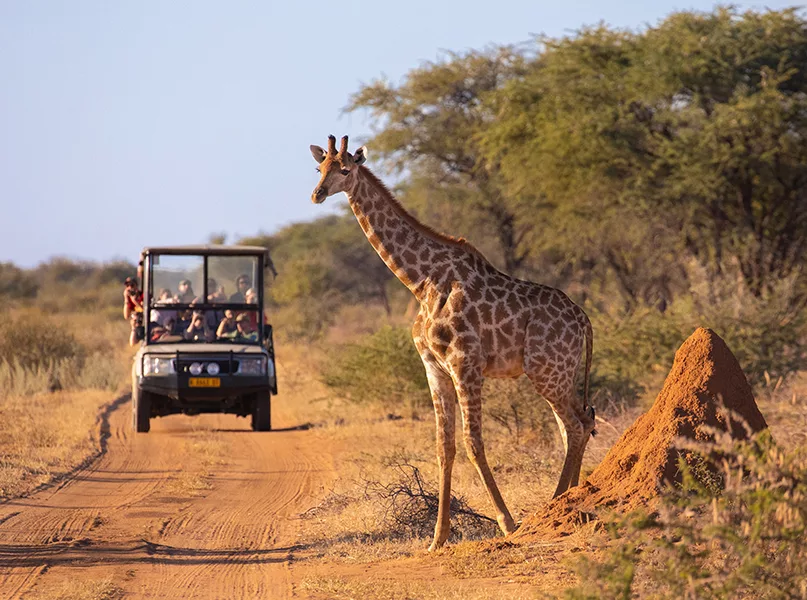
Vehicles.
Explore more websites like:crawltheworld
Culture, Food, and the Little Things That Make a Trip
Kenya is home to over 40 ethnic groups, each with their own traditions, languages, and history. The Maasai are probably the most internationally recognized, with their distinctive red shukas and beadwork, but there’s so much more diversity than what makes it into tourist marketing.
Swahili and English are both official languages, so communication generally isn’t a barrier, though learning a few basic Swahili phrases goes a long way. “Asante” (thank you) and “Karibu” (welcome) will get genuine smiles from locals who appreciate the effort, even if your pronunciation is rough.
Food deserves way more attention than most travel guides give it. Ugali (a maize-based staple) alongside sukuma wiki (collard greens) is comfort food at its finest. Chapati, influenced by Indian communities who settled in Kenya generations ago, shows up everywhere. And don’t skip mandazi a slightly sweet fried dough that pairs perfectly with chai in the morning.
Safety and Health Considerations
Yellow fever vaccination requirements depend on where you’re traveling from, so check current guidelines well before your trip. Malaria is present in many regions, particularly around the coast and lower-altitude areas, so talk to a travel doctor about prophylaxis options that suit you.
As for general safety, Kenya isn’t inherently more dangerous than plenty of other popular destinations, but normal travel sense applies. Don’t flash expensive gear around in crowded areas, use reputable transport and tour companies, and stay aware of your surroundings in cities, especially at night. Most safari camps and tour operators have solid safety protocols since it’s literally their business to keep you safe around wildlife.
Putting Together Your Own Itinerary
If you’ve only got a week, I’d suggest something like two or three days in the Maasai Mara, a day in Nairobi, and the remaining time either exploring another park like Amboseli or heading to the coast for a proper reset before you fly home.
Got two weeks or more? Now you can actually breathe. Spread out the safari portions, add Lake Naivasha or Lake Nakuru for a change of scenery, spend real time on the coast, maybe even venture toward Mount Kenya if hiking interests you. This is genuinely where a well-thought-out kenya travel guide becomes less about ticking boxes and more about crafting an experience that fits your actual pace and interests.
There’s no single “right” itinerary. What worked for me might feel rushed or too slow for you. Some travelers want every day packed with activities; others want long stretches of nothing but staring at the horizon with a cold drink in hand. Both are valid ways to experience this country.
Final Thoughts Before You Book That Flight
Kenya isn’t a destination you check off a list and move on from. It gets under your skin a little, if you let it. The landscapes are dramatic, sure, but it’s the small human moments a shared meal, a conversation with a guide about his childhood in a nearby village, watching kids play soccer with a ball made of plastic bags — that tend to stay with you longest.
Go in with some flexibility built into your plans. Weather shifts, animals don’t follow schedules, and sometimes the best moments happen when things don’t go exactly as planned. That’s not a flaw in the trip; that’s kind of the whole point of traveling somewhere like this.
Whatever draws you to Kenya, whether it’s the wildlife, the culture, the coastline, or honestly just a craving for something different, trust that instinct. Book it. Figure out the details as you go. You’ll come back with stories that no brochure could have prepared you for.
FAQs
Q: What’s the best time of year to visit Kenya for wildlife viewing?
A: July through October is prime time, mainly because of the Great Migration in the Maasai Mara. That said, wildlife is present year-round, so even the quieter months offer solid sightings with fewer crowds.
Q: Do I need a visa to enter Kenya?
A: Most travelers now need to apply for an eTA online before arrival rather than getting a visa at the airport. Apply a few days ahead of your trip to avoid any last-minute stress.
Q: Is it safe to travel to Kenya alone?
A: Plenty of solo travelers visit Kenya every year without issues. Stick to reputable tour operators, stay alert in busy urban areas, and you’ll likely find the experience smoother than you expected.
Q: How many days do I need for a decent Kenya trip?
A: A week gives you a solid taste of safari life plus a little extra, but two weeks lets you properly combine wildlife, culture, and coastal time without feeling rushed.
Q: What vaccinations do I need before traveling to Kenya?
A: Requirements vary depending on where you’re arriving from, particularly regarding yellow fever. Malaria prevention is also worth discussing with a doctor, since it’s present in several regions of the country.
Q: Is Kenya expensive to visit?
A: It can be as budget-friendly or as luxurious as you want it to be. Camping safaris and local guesthouses keep costs low, while private lodges and exclusive tours can get pricey fast. There’s a wide middle ground too.
Q: Can I drink tap water in Kenya?
A: Stick to bottled or filtered water throughout most of the country, including in Nairobi. Most hotels and lodges provide it freely, so it’s rarely a hassle to stay hydrated safely.
Explore More Insights:crawltheworld
