
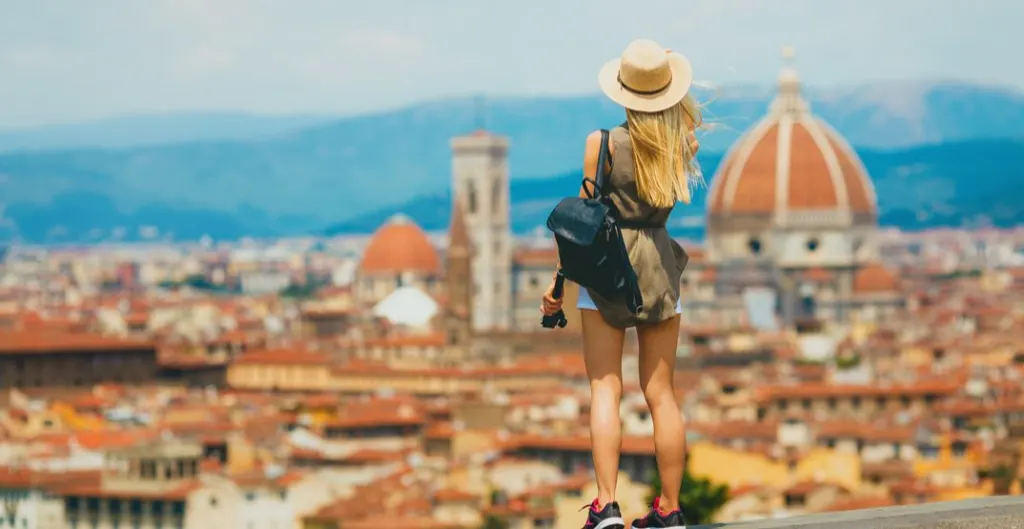
I still remember standing on a train platform in Budapest at 2 AM, backpack digging into my shoulders, no idea where my hostel was, and thinking, “Why did I think this was a good idea?” Twenty minutes later I was laughing about it with a Canadian guy I’d just met who was in the exact same boat. That’s the thing about traveling through Europe with just a bag on your back — it humbles you and thrills you in the same breath, sometimes within the same hour.
If you’re sitting there right now with fifteen browser tabs open, trying to figure out whether this whole thing is actually doable, I get it. I was there too. And honestly? It’s more doable than people make it sound, but it’s also messier than the pretty Instagram photos suggest. Let’s talk about what it’s really like.
Why People Fall in Love With This Kind of Travel
There’s something about throwing a bag over your shoulder and just… going, that package holidays can’t touch. You’re not locked into someone else’s itinerary. You wake up in Lisbon and decide, on a whim, that you’re taking a bus to Porto tomorrow because a stranger at breakfast wouldn’t stop talking about the port wine cellars there. Try doing that on a guided tour.
Europe in particular works so well for this style of travel because everything is close. You can be in four countries in a week if you’re a little reckless with your planning (I’ve done it, wouldn’t necessarily recommend the exhaustion that follows, but I’d do it again). The trains run on time, mostly. The hostels are everywhere. And almost everyone you meet speaks enough English to help you when you’re lost, which, let’s be honest, you will be at some point.
It’s Not Just About the Sights
People think it’s about ticking off the Eiffel Tower or the Colosseum, and sure, those are worth seeing once. But what actually sticks with you afterward isn’t usually the landmark. It’s the old woman in a tiny village in Slovenia who insisted on feeding you soup because you looked cold. It’s the three-hour conversation with a stranger on a night bus about absolutely nothing important. Those moments don’t show up in guidebooks, and that’s kind of the point.
Planning Without Overplanning
Here’s where a lot of first-timers mess up. They plan every single hour of every single day, print out spreadsheets, book everything six months in advance — and then the trip feels like a job. Don’t do that to yourself.
I’m not saying go in blind. You need a rough skeleton. Know your entry country, know roughly how many weeks you have, and know your budget ceiling. Beyond that, leave room to breathe. Some of my best days abroad happened because I scrapped the plan entirely.
Picking Your Route
A common mistake is trying to cover too much ground. I made this mistake on my first trip — tried to hit eight countries in three weeks and ended up spending more time on trains and buses than actually experiencing anywhere. Slower is better. Genuinely.
If it’s your first time, Western and Central Europe tend to be gentler on the nerves — better transport links, more English spoken, easier to navigate when you’re still figuring things out. Once you’ve got a trip or two under your belt, branching into the Balkans or the Baltics opens up a whole different, quieter kind of adventure. Cheaper too, which matters more than people admit.
Budgeting Honestly
Nobody wants to talk numbers because it feels unglamorous, but you need to. A rough daily budget of forty to sixty euros covers hostels, cheap eats, local transport, and the occasional splurge, depending on the country. Scandinavia will eat that budget alive. The Balkans will make you feel like a king.
Set aside a cushion too — something unexpected always comes up. A missed train, a lost card, a random cold that needs medicine you can’t pronounce the name of. Ask me how I know.
Packing Like Someone Who’s Actually Done This
Everyone overpacks the first time. I did. I brought four pairs of jeans on a six-week trip and wore maybe one and a half of them the whole time because laundry exists and jeans are heavy when wet.
Pack for versatility, not for outfits. A few good layers beat a suitcase full of specific looks. Good shoes matter more than almost anything else — you’ll be walking distances you didn’t plan for, on cobblestones that were clearly designed to hurt ankles. And bring a lock. A real one, not a flimsy one. Hostel lockers are only useful if you can actually secure them.
The Stuff Nobody Mentions
A power bank saves you more headaches than you’d think, especially on long train days when your phone is your map, your ticket, and your only way to contact anyone. A small first aid kit with basics — painkillers, blister plasters, something for an upset stomach — will get used, guaranteed. And download offline maps before you leave, because you will lose signal somewhere between two small towns and panic slightly.
Explore more websites like:crawltheworld.net
Where to Actually Stay
Hostels get a bad reputation from people who haven’t stayed in one since 2009. Modern hostels, especially the well-reviewed ones, are clean, social, and often have better vibes than a soulless hotel room ever could. Look for ones with a kitchen and a common area — that’s usually where you’ll make actual friends, not just polite small talk.
That said, don’t be afraid to treat yourself occasionally. After two weeks of dorm rooms and shared bathrooms, one night in a private room with a real shower can feel like heaven. There’s no rule that says you have to suffer the entire trip to be doing it “right.”
Meeting People Along the Way
This part surprises people the most. You’d think traveling alone means being alone, but honestly, it’s the opposite. Hostel common rooms, free walking tours, pub crawls you didn’t plan to go on — these are where friendships form fast, sometimes intensely, sometimes for just one night, and sometimes for years afterward. I still talk to a group of people I met on a rooftop in Prague years ago. We’ve met up in three different countries since.
Getting Around Without Losing Your Mind
Trains are the backbone of getting around, and for good reason — comfortable, scenic, and usually pretty reliable. Buses are cheaper but slower, and honestly fine for shorter hops. Budget flights can save time on longer stretches, though the hidden fees can sneak up on you if you’re not careful with baggage rules.
Rail passes make sense if you’re covering a lot of distance and multiple countries. If you’re sticking to one region, though, point-to-point tickets booked a little in advance are often cheaper. There’s no single right answer here — it depends entirely on your route and how much flexibility you want to keep.
Dealing With the Chaos
Trains get delayed. Buses get canceled. You’ll show up somewhere and your hostel booking will mysteriously not exist. This is normal. It happens to everyone, even the people who look like they’ve got it all figured out on social media. The trick isn’t avoiding chaos entirely — it’s not letting it ruin your day when it inevitably shows up.
The Emotional Side Nobody Warns You About
Here’s something people don’t say enough: it’s not all magic. There are days you’ll feel lonely in a crowded hostel common room, days you’ll cry a little on a train for no clear reason, days you’ll just want your own bed and your own language spoken around you. That’s normal. That’s part of it too.
And then there are days that feel so full and alive that you can’t imagine ever going back to a regular routine. Both things are true at once, and that contrast is honestly part of what makes backpacking Europe such a strange, addictive kind of experience. It changes you a little, whether you’re ready for that or not.
Money-Saving Tricks That Actually Work
Cook when you can. Hostel kitchens exist for a reason, and eating out three times a day adds up faster than people expect. Grocery stores in most European countries are cheap and stocked with easy meals — pasta, bread, cheese, the basics that keep you fed without draining your wallet.
City tourism cards can be worth it if you’re planning to hit several paid attractions in a short window, but do the math first — sometimes they’re not actually cheaper than paying individually. Free walking tours (tip-based) are a fantastic way to get oriented in a new city without spending anything upfront.
A Few Honest Opinions
I think the shoulder seasons — late spring and early autumn — beat peak summer almost every time. Fewer crowds, better prices, weather that’s still pleasant without being unbearable. Summer in Europe has become genuinely overwhelming in some cities, and I say that as someone who used to love the buzz of it.
I also think people underestimate Eastern Europe. Places like Krakow, Ljubljana, or smaller towns in Romania often get skipped in favor of the “big five” Western cities, but they tend to be cheaper, quieter, and just as rich in history and character. Don’t sleep on them.
Wrapping This Up
If there’s one thing I’d want you to take from all this, it’s that you don’t need to have it perfectly figured out before you go. Backpacking Europe isn’t about a flawless itinerary — it’s about being okay with the mess, saying yes to the random detour, and trusting that things tend to work out, even when they look like they’re falling apart at 2 AM on a train platform somewhere.
Book the first few nights, leave the rest loose, and let the trip shape itself as you go. That’s usually where the good stories come from anyway.
FAQs
Q: How much money do I actually need for a month of backpacking Europe?
A: It really depends on your route, but a reasonable middle-ground budget sits around forty to sixty euros a day for accommodation, food, and local transport. Add extra for flights or long-distance trains between countries, and always keep a small emergency cushion.
Q: Is it safe to travel alone through Europe?
A: Generally, yes, especially compared to a lot of other regions. Use common sense, keep your valuables secure, avoid poorly lit areas late at night, and trust your gut if something feels off. Millions of solo travelers do this every year without major issues.
Q: What’s the best time of year to go?
A: Late spring or early autumn tends to hit the sweet spot — good weather, thinner crowds, and better prices than peak summer. Summer is beautiful too, just busier and pricier almost everywhere.
Q: Do I need to speak the local language?
A: Not really, though learning a few basic phrases goes a long way and people appreciate the effort. English is widely understood in most tourist areas and hostels, especially across Western and Central Europe.
Q: How many countries should I try to visit in one trip?
A: Fewer than you think. Moving too fast between countries eats up time and energy that could go toward actually experiencing each place. Pick a region, slow down, and let yourself linger somewhere instead of rushing through a checklist.
Q: Are hostels actually worth it, or should I just get budget hotels?
A: Hostels win for the social side of things and the price, especially if you’re traveling solo. Budget hotels give you more privacy but less connection to other travelers. A mix of both usually works best over a longer trip.
Explore More Insights:crawltheworld.net
