
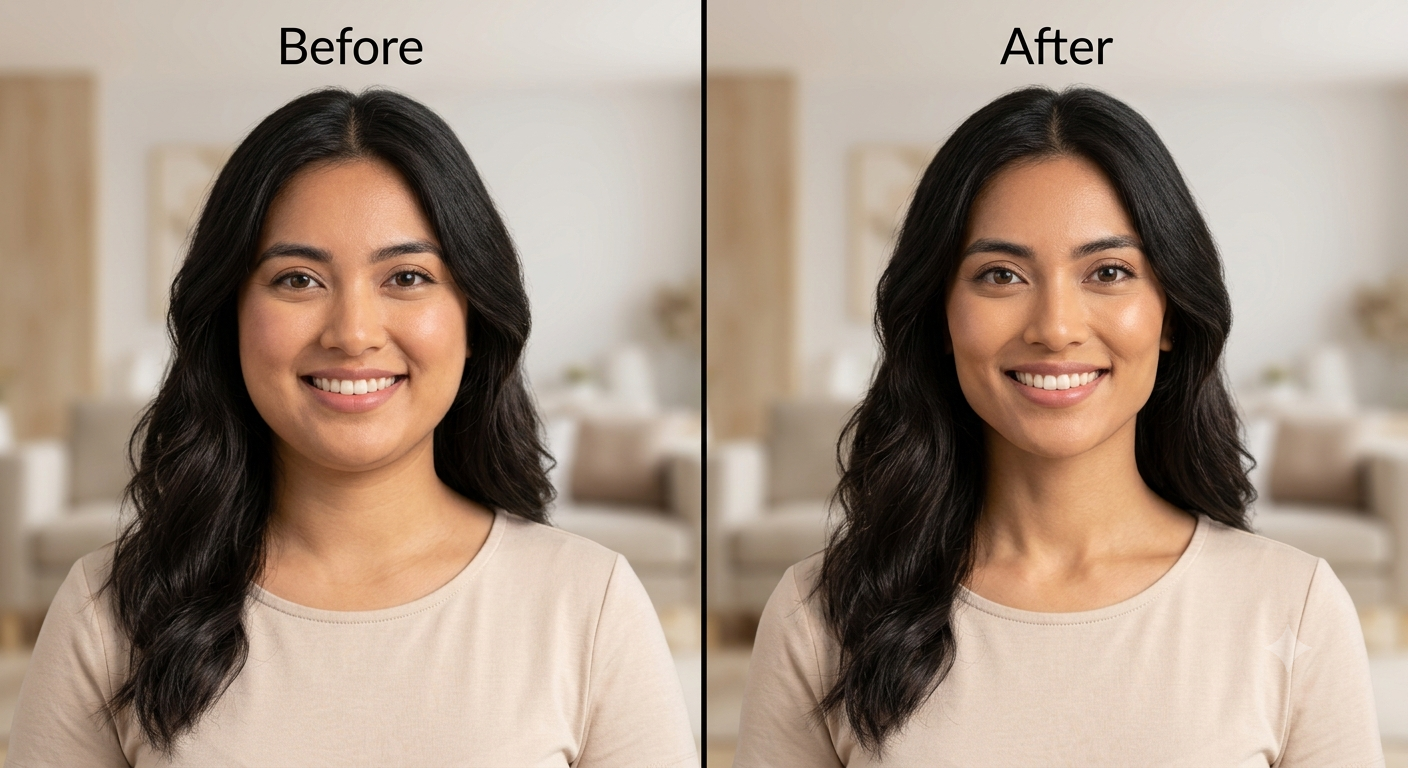
Losing weight is often celebrated for its health benefits, increased energy, and improved confidence. Yet many people are surprised when they notice that their appearance changes in ways they didn’t anticipate. One of the most common concerns is how the face looks once a significant amount of body fat has been lost. Some people love the sharper features that emerge, while others feel their face looks older, thinner, or less full than before.
The phrase face after weight loss has become increasingly popular in online searches because people want realistic answers before they begin a fitness journey or after they notice unexpected changes in the mirror. They aren’t necessarily looking for cosmetic procedures—they simply want to understand what’s normal, what causes these changes, and whether anything can be done to improve their appearance naturally.
The truth is that facial changes after losing weight are highly individual. Factors such as age, genetics, skin elasticity, the amount of weight lost, hydration, and even sun exposure all influence the final result. Understanding these factors helps set realistic expectations and prevents unnecessary worry.
Quick Answer: Why Does Your Face Change When You Lose Weight?
When you lose body fat, your face usually loses fat as well. This can make your cheekbones, jawline, and facial structure more visible. In some cases, the skin adapts well to the new shape. In others, especially after rapid or significant weight loss, the skin may appear looser or the face may seem more hollow.
Most facial changes are a normal part of weight loss and vary depending on age, genetics, skin quality, and lifestyle habits.
Why So Many People Notice Their Face Before Anything Else
Interestingly, many people don’t first notice changes around the waist or hips—they notice them in the mirror.
That’s because the face is one of the most visible parts of the body. Friends, family members, and coworkers often comment that someone “looks different” before they can even identify why. A slimmer jawline or more defined cheekbones are often the first visible signs that weight loss is happening.
For some people, these changes feel exciting. Clothes fit better, photos look different, and facial features become more defined. Others, however, feel caught off guard because they expected to look younger after becoming healthier but instead notice lines or less volume around the cheeks.
Neither reaction is unusual.
The Hidden Role of Facial Fat
Facial fat serves an important purpose beyond appearance.
It provides natural cushioning beneath the skin and helps create a youthful, rounded look. As body fat decreases, these fat pads become smaller, allowing the bones underneath to become more visible.
This explains why someone who loses 40 or 50 pounds may suddenly notice:
- More visible cheekbones
- A sharper jawline
- Less fullness around the cheeks
- More noticeable smile lines
- A slimmer neck
These changes are not necessarily negative. In fact, many people actively hope for a more defined facial structure when starting their weight-loss journey.
Why Age Makes a Bigger Difference Than Most People Think
Age plays a major role in how the face responds to weight loss.
When we’re younger, the skin contains higher levels of collagen and elastin. These proteins help the skin stretch and return to its original shape.
As we age, natural collagen production slows down. The skin gradually becomes thinner and less elastic.
Because of this, a 25-year-old who loses 40 pounds may experience very different facial changes than someone who loses the same amount at age 55.
That doesn’t mean older adults shouldn’t lose weight for health reasons. It simply means their skin may not tighten as quickly.
Why Rapid Weight Loss Often Looks Different
Speed matters.
When weight comes off gradually, the skin has more time to adapt to changing body contours.
Rapid weight loss—whether through strict dieting, illness, or bariatric surgery—can sometimes leave the skin looking looser because the body doesn’t have as much time to adjust.
Many healthcare professionals recommend slow, steady weight loss for several reasons, and skin appearance is one of them.
Of course, everyone’s body responds differently. Some people lose weight quickly and experience very little loose skin, while others notice significant changes despite losing weight at a slower pace.
The Details Many Before-and-After Photos Don’t Show
Social media is full of dramatic transformation pictures.
They can be inspiring, but they rarely tell the whole story.
Lighting, camera angles, makeup, facial expressions, hydration, and even the time of day all influence how someone’s face appears in photographs.
Professional photographers understand these details well.
Someone may look noticeably different simply because one picture was taken outdoors with soft lighting while another was captured under harsh indoor lights.
This doesn’t mean transformation photos are misleading—they’re simply not the complete picture.
Skin Elasticity Is Often the Deciding Factor
One of the biggest influences on facial appearance isn’t the amount of weight lost.
It’s skin elasticity.
Healthy skin can gradually adapt to changing body contours more effectively than skin that has been damaged by smoking, excessive sun exposure, or long-term dehydration.
Several factors support healthy skin:
- Consistent hydration
- Balanced nutrition
- Adequate protein intake
- Good sleep
- Sun protection
- Avoiding tobacco products
None of these guarantee perfect skin tightening, but they support overall skin health.
Why Genetics Can’t Be Ignored
People often compare themselves with friends or influencers who have lost similar amounts of weight.
The comparison rarely tells the full story.
Genetics influence:
- Fat distribution
- Skin thickness
- Bone structure
- Collagen production
- Facial shape
Two siblings may even experience noticeably different results after losing the same number of pounds.
While healthy habits matter, genetics still play an important role in determining facial appearance.
The Emotional Side That Doesn’t Get Discussed Enough
Weight loss is usually viewed as a positive achievement.
Yet emotional adjustments sometimes follow physical changes.
Some people no longer recognize themselves immediately in photographs.
Others receive unexpected comments such as:
“You look tired.”
“Your face looks thinner.”
“Are you feeling okay?”
Even well-intentioned remarks can affect confidence.
It’s worth remembering that facial fullness has long been associated with youth, so losing volume doesn’t necessarily mean someone looks unhealthy.
Sometimes people simply need time to adjust to their new appearance.
Can Your Face Look Older After Losing Weight?
This is one of the most common questions online.
The honest answer is: sometimes, yes.
Weight loss can reveal fine lines and reduce facial volume, especially in adults over 40 or after significant weight reduction.
However, that isn’t the whole story.
Improved health, better posture, clearer skin, increased confidence, and brighter expressions often balance these changes.
Many people eventually find that they prefer their new appearance once they become accustomed to it.
It’s important not to judge the final outcome too quickly. The body often continues adjusting for several months after major weight loss.
Why Nutrition Matters More Than Most People Realize
The skin needs nutrients to repair itself.
Crash diets that dramatically restrict calories may lead to deficiencies that affect skin quality, hair, and overall appearance.
Protein is especially important because it provides the building blocks needed for tissue repair.
Healthy fats also support skin function, while vitamins such as A, C, and E contribute to normal skin maintenance.
A balanced eating pattern generally supports better long-term results than extremely restrictive dieting.
Why Your Face May Continue Changing Months Later
One mistake people often make is judging their appearance immediately after reaching a goal weight.
The body doesn’t stop adapting the day the scale reaches a certain number. Skin continues remodeling, hydration levels fluctuate, and muscles gradually become more defined if strength training is part of your routine.
Many people notice that their face looks slightly fuller and healthier several months after maintaining a stable weight. That doesn’t mean fat has returned—it simply means the body has had time to settle into its new shape.
Patience can make a surprising difference.
Can Facial Volume Return Naturally?
This depends on why the face appears thinner.
If dehydration, poor nutrition, or rapid weight loss contributed to the change, improving those factors may restore some fullness. On the other hand, fat loss itself is generally permanent unless body weight increases again.
Natural improvements may come from:
- Drinking enough water every day
- Eating sufficient protein
- Including healthy fats in your diet
- Getting consistent sleep
- Following a regular skincare routine
- Maintaining a stable weight instead of frequent weight cycling
These habits won’t dramatically reshape the face overnight, but they often improve skin quality and overall appearance.
The Habits That Usually Make the Biggest Difference
When people search for ways to improve their appearance after losing weight, they’re often hoping for a quick fix.
In reality, small daily habits tend to have the greatest long-term impact.
Protecting the skin from excessive sun exposure is one of the simplest yet most effective steps. UV damage gradually breaks down collagen, making loose skin more noticeable over time.
Hydration is another important factor. While drinking more water won’t magically tighten skin, dehydration can make fine lines appear more obvious.
Regular resistance training also deserves attention. Building muscle throughout the body improves posture and overall body composition, which often enhances facial appearance indirectly by creating a healthier, more balanced look.
The Treatments People Often Ask About
Some individuals are comfortable with their appearance after weight loss, while others explore cosmetic treatments.
The most common options include dermal fillers, skin-tightening procedures, laser treatments, radiofrequency therapy, ultrasound-based treatments, and, in some cases, facelift surgery.
These procedures are legitimate when performed by qualified medical professionals, but they’re not necessary for everyone.
Results vary depending on age, skin quality, and individual anatomy.
Anyone considering cosmetic treatment should schedule a consultation with a board-certified dermatologist or plastic surgeon rather than relying solely on social media recommendations.
Where Expectations Sometimes Become Unrealistic
The internet makes dramatic transformations look common.
Unfortunately, edited photos, filters, professional lighting, and selective angles can create unrealistic expectations.
It’s easy to believe that every successful weight-loss journey ends with flawless skin and perfectly sculpted facial features.
Real life is usually more balanced.
Some people develop a sharper jawline.
Others notice mild loose skin.
Many experience a combination of both.
That doesn’t mean something has gone wrong. It simply reflects normal human variation.
The Concerns That Keep Coming Up
People frequently wonder whether facial changes mean they’ve lost too much weight.
Usually, the answer depends on overall health rather than appearance alone.
If weight loss occurred gradually through healthy eating and regular exercise, facial changes are often a normal part of the process.
However, unexpected or unexplained weight loss should always be discussed with a healthcare provider, especially if it’s accompanied by fatigue, illness, or other concerning symptoms.
Health should always take priority over appearance.
Why Weight Stability Often Produces the Best Results
One overlooked factor is maintaining a consistent weight.
Repeated cycles of losing and gaining weight may place additional stress on the skin over time.
Although research continues in this area, many skincare professionals encourage sustainable lifestyle changes instead of repeated crash diets.
A stable weight gives the body more opportunity to adapt naturally.
It also makes it easier to evaluate whether cosmetic treatments are truly necessary after the body has fully adjusted.
What Regular People Often Experience
Talk to enough people who have lost weight, and you’ll hear a wide range of stories.
Some say they finally recognize their cheekbones for the first time.
Others admit they missed the softness their face once had.
A few mention receiving unexpected compliments from strangers.
Others say friends worried they looked tired despite feeling healthier than ever.
These experiences highlight an important point: appearance is deeply personal.
The same facial change that one person celebrates may concern someone else.
Common Myths That Deserve a Closer Look
Several misconceptions continue circulating online.
One myth suggests that facial exercises can restore lost fat. While facial muscles can become stronger, exercise doesn’t replace facial fat that has been lost.
Another common belief is that expensive skincare products can completely tighten loose skin. Quality skincare certainly supports healthy skin, but no cream can produce the same results as medical procedures when significant skin laxity is present.
Some also believe everyone develops loose facial skin after losing weight.
That simply isn’t true.
Many people experience little or no noticeable loose skin, particularly if they’re younger or lose weight gradually.
Is It Safe to Try Home Remedies?
Natural skincare routines are generally safe when they involve gentle cleansing, moisturizing, sunscreen, and a healthy diet.
Be cautious of products or online advice promising dramatic facial tightening within days or weeks.
If a claim sounds too good to be true, it probably is.
Similarly, avoid aggressive facial treatments performed without professional guidance, especially if they involve unapproved devices or chemical products purchased from unreliable sources.
Protecting skin health is far more valuable than chasing unrealistic promises.
Why This Topic Remains Relevant Today
Interest in facial appearance after weight loss has grown alongside the popularity of fitness apps, social media transformations, and medically supervised weight-loss programs.
As more people achieve significant health improvements, questions naturally arise about skin quality, aging, and appearance.
Fortunately, public conversations have become more balanced.
Rather than focusing only on aesthetics, many healthcare professionals now emphasize overall health, sustainable habits, and realistic expectations.
That’s a healthier perspective for nearly everyone.
Conclusion
Experiencing changes in your face after weight loss is a normal part of many fitness journeys. Some people notice a more defined jawline and sharper features, while others see reduced facial volume or mild loose skin. The final outcome depends on several factors, including age, genetics, skin elasticity, the amount of weight lost, and lifestyle habits. Instead of comparing yourself to edited before-and-after photos, focus on long-term health, proper nutrition, hydration, and maintaining a stable weight. A healthier body often brings lasting confidence, and with realistic expectations, it’s easier to appreciate the positive changes that come with your transformation.
FAQs
Why does my face look thinner after losing weight?
Because facial fat decreases along with body fat, making your features appear more defined.
Can loose facial skin tighten naturally?
Mild looseness may improve over time, especially with good nutrition and healthy skin habits.
Does everyone look older after losing weight?
No. Results vary based on age, genetics, and skin elasticity.
Can skincare products restore lost facial fat?
No. They can improve skin health but cannot replace lost fat.
Should I worry if my face changes after weight loss?
Usually not. If the weight loss was unintentional or accompanied by other symptoms, consult a healthcare professional.
For more details : crawltheworld
