
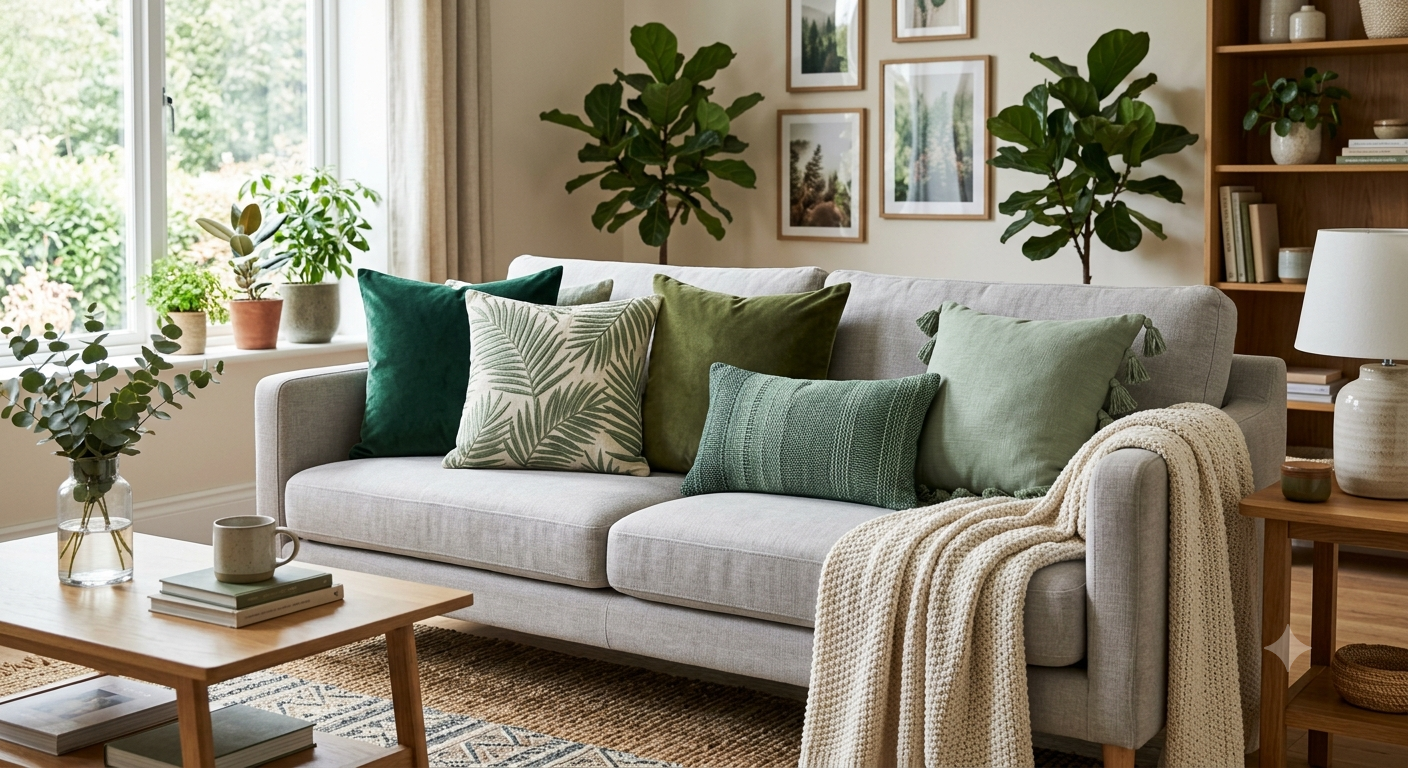
Walk into almost any well-designed living room today, and chances are you’ll notice something interesting. The sofa itself may be neutral, the walls understated, and the furniture timeless—but a few carefully chosen accents completely change the atmosphere. Among those accents, green decorative pillows have quietly become one of the most versatile choices for homeowners, renters, and interior design enthusiasts alike.
Their popularity isn’t simply about color trends. Green sits in a unique place between bold and calming, making it surprisingly adaptable across styles that range from modern minimalism to traditional farmhouse interiors. Whether someone wants to refresh a room without replacing expensive furniture or simply introduce a little personality, decorative pillows often become the easiest starting point.
Still, many people assume choosing the right pillow is as simple as picking a shade they like. In reality, the decision involves fabric, size, texture, durability, maintenance, seasonal appeal, and how the color interacts with natural light. Those details are often overlooked, yet they’re exactly what separates a room that feels thoughtfully designed from one that feels randomly decorated.
This article explores why these pillows remain popular, where they work best, what buyers should actually pay attention to, and the practical realities that don’t always appear in product listings.
Why This Color Continues to Capture Attention
Green has always carried strong psychological associations. It reminds people of forests, gardens, fresh plants, and open landscapes. Interior designers frequently describe it as a “bridge color” because it connects warm and cool palettes with very little effort.
Unlike bright reds or intense oranges that immediately become focal points, green often blends into a room while still adding visual interest. That’s one reason so many people search for decorating inspiration involving this color.
Different shades create very different moods.
Deep emerald introduces sophistication and richness.
Olive creates warmth and works especially well with natural wood.
Sage has become one of the defining colors of contemporary interiors because it feels soft without becoming boring.
Forest green delivers contrast against white or cream furniture.
Mint offers freshness in smaller spaces that need brightness.
Interestingly, the same sofa can appear completely different depending on which shade of green sits on it. I’ve seen dark charcoal sectionals transformed by just two olive velvet cushions, while beige couches often gain a more relaxed personality with muted sage linen covers.
It’s one of those surprisingly affordable design changes that people tend to underestimate until they actually try it.
Small Details That Quietly Transform an Entire Room
Many decorating decisions involve major investments. Replacing flooring, repainting walls, or purchasing new furniture takes time, money, and planning.
Accent pillows sit at the opposite end of that spectrum.
They’re relatively inexpensive compared with larger furniture pieces, yet they influence the overall look far more than their size suggests.
Texture matters just as much as color.
Velvet reflects light differently throughout the day.
Linen introduces a casual, breathable appearance.
Cotton feels clean and versatile.
Chunky woven fabrics add warmth during colder seasons.
Faux fur creates softness in winter settings.
Mixing textures often creates a richer appearance than simply matching every pillow perfectly. In fact, perfectly identical pillows sometimes make a room feel less natural.
Professional stylists frequently mix smooth fabrics with rougher materials because the subtle contrast gives spaces more depth.
The Shades That Tend to Stay Stylish Longer
Home décor trends come and go quickly, but certain shades consistently return because they’re easier to live with.
Among the most dependable choices are:
- Sage green
- Olive green
- Forest green
- Emerald green
- Moss green
These colors pair well with neutral furniture while adapting to changing seasonal decorations.
For example, sage looks beautiful with blush tones during spring, mustard in autumn, silver during winter holidays, and crisp white throughout summer.
That’s practical value many shoppers don’t consider before purchasing.
Why Fabric Can Matter More Than Color
Many online shoppers focus almost entirely on appearance.
The material often ends up being far more important after the pillows arrive.
Velvet photographs beautifully but tends to show pressure marks and attract pet hair.
Linen wrinkles naturally, which some people love while others dislike.
Cotton blends generally offer the easiest maintenance.
Chenille feels luxurious but may flatten with heavy use.
Outdoor performance fabrics resist fading and moisture surprisingly well, even when used indoors.
If children or pets regularly use the furniture, durability quickly becomes more important than aesthetics.
I’ve noticed households with active dogs often regret buying delicate fabrics that looked perfect in staged product photos.
Where Different Interior Styles Bring Out Their Best
One reason these pillows remain consistently relevant is their remarkable flexibility.
Scandinavian interiors often combine sage with white walls, pale wood, and simple furniture.
Modern homes frequently pair emerald with black accents and metallic finishes.
Farmhouse spaces lean toward olive alongside reclaimed wood and cream textiles.
Mid-century rooms work beautifully with moss tones against walnut furniture.
Bohemian interiors welcome nearly every green shade because layered colors already define the style.
Even coastal homes sometimes incorporate soft eucalyptus shades to create a quieter alternative to traditional navy blue.
This adaptability explains why interior designers continue recommending green year after year instead of treating it as a temporary trend.
The Mistakes That Make Decorating Feel Unfinished
People rarely ruin a room by choosing the wrong pillow.
More often, they accidentally create small inconsistencies that keep the space from feeling cohesive.
One common mistake is selecting every pillow in identical sizes.
Layering larger square cushions behind smaller rectangular ones usually creates a more inviting arrangement.
Another mistake involves matching everything too precisely.
When every pillow shares exactly the same color, texture, and fabric, the arrangement can appear flat.
Slight variation introduces personality.
Lighting also deserves attention.
Dark forest shades may appear almost black in dim rooms while pale sage can seem washed out under bright cool lighting.
Looking at fabric swatches in both daylight and evening lighting often prevents disappointment.
Why Reviews Sometimes Tell Different Stories
Product reviews for decorative pillows can vary dramatically.
Often, the pillow itself isn’t the real issue.
One customer expects a firm cushion.
Another wants something soft enough for naps.
Someone else cares mainly about appearance rather than comfort.
Because expectations differ, identical products receive completely different ratings.
Reading beyond star ratings usually reveals more useful information.
Comments discussing stitching quality, zipper durability, fading after washing, or fabric texture often provide better purchasing insight than overall scores alone.
A Quick Answer for Shoppers Comparing Options
Which shade fits the widest variety of homes?
Sage and olive generally offer the greatest flexibility because they pair naturally with beige, white, gray, black, wood finishes, and many seasonal accent colors. They’re less likely to feel dated as decorating trends evolve.
Another Fast Answer People Frequently Search For
Are decorative pillows only for appearance?
No. While visual appeal is the main reason people buy them, they also provide lumbar support, improve seating comfort, soften furniture edges, and allow inexpensive seasonal updates without replacing larger pieces.
Why Texture Often Creates More Impact Than Bright Color
Many homeowners chase dramatic colors hoping to make their rooms feel professionally designed.
Ironically, designers frequently achieve that effect through texture instead.
Imagine two olive pillows.
One uses smooth cotton.
The other uses richly woven boucle.
Even though the color remains identical, the visual depth changes dramatically because light interacts differently with each surface.
This subtle layering creates sophistication without making the room feel busy.
That’s one reason luxury interiors rarely rely on flat fabrics alone.
The Reality Behind Seasonal Decorating
Seasonal decorating has become increasingly popular, but replacing large furniture several times a year simply isn’t realistic.
Accent pillows solve that problem.
Spring often favors lighter greens paired with floral prints.
Summer leans toward linen and botanical patterns.
Autumn welcomes darker olive and moss shades.
Winter usually introduces velvet, chunky knits, or deeper emerald tones.
Instead of redesigning an entire room, many people simply rotate pillow covers while keeping the inserts.
Storage becomes easier, expenses stay manageable, and rooms still feel refreshed throughout the year.
What Households With Kids and Pets Should Consider
Beautiful décor isn’t very enjoyable if maintaining it becomes stressful.
Families often benefit from washable covers with hidden zippers.
Performance fabrics resist spills surprisingly well.
Darker shades hide minor stains better than pale fabrics.
Removable covers also make seasonal changes easier.
Pet owners should remember that loosely woven materials can snag more easily from claws, while velvet tends to attract visible fur.
No fabric is completely maintenance-free, but selecting one that matches everyday life usually leads to greater long-term satisfaction.
When Mixing Colors Creates Better Balance
Green rarely needs to stand alone.
It pairs comfortably with numerous complementary tones.
Cream softens darker greens.
Warm beige creates relaxed natural spaces.
Terracotta introduces earthy warmth.
Mustard adds cheerful contrast.
Navy provides depth without overwhelming.
Dusty pink creates surprisingly elegant combinations.
Charcoal gray gives contemporary sophistication.
The key isn’t using many colors—it’s choosing ones that share similar warmth or coolness.
Rooms often feel balanced when no single accent color dominates everything else.
The Questions Buyers Forget to Ask Before Ordering
Instead of focusing only on appearance, experienced shoppers usually consider practical details.
Ask yourself:
- Will the fabric survive daily use?
- Is the cover removable?
- Does the insert keep its shape?
- Will the size actually fit the sofa?
- Does the return policy allow exchanges if the color appears different in person?
These simple questions prevent many disappointing purchases.
Safety and Material Considerations That Deserve Attention
Decorative pillows seem harmless, yet material quality still matters.
People with allergies may prefer hypoallergenic inserts.
Natural feather fillings provide softness but aren’t ideal for everyone.
Synthetic alternatives often resist allergens more effectively.
Some fabrics include stain-resistant chemical treatments. While these can improve durability, buyers who prioritize natural materials may prefer untreated cotton or linen options instead.
Children’s bedrooms deserve extra consideration.
Loose embellishments like beads, buttons, or sequins may not be suitable for younger children if they present a choking risk.
Reading product descriptions carefully remains worthwhile.
Why Sustainable Choices Receive More Attention Today
Environmental awareness has influenced home décor just as much as fashion.
Many manufacturers now produce covers using recycled fibers, responsibly sourced cotton, or lower-impact dyes.
These products sometimes cost slightly more, yet many buyers appreciate knowing the materials were produced with greater environmental consideration.
That doesn’t automatically make every eco-labeled product superior.
It’s still wise to examine construction quality, stitching, customer feedback, and fabric durability instead of relying solely on marketing claims.
The Practical Value That Keeps Them Relevant
Interior trends constantly evolve.
Some disappear within months.
Decorative pillows have remained relevant because they solve genuine decorating challenges rather than existing purely for fashion.
They allow homeowners to experiment without committing to expensive renovations.
Renters appreciate them because they don’t require permanent changes.
New homeowners often use them to personalize builder-grade interiors.
People staging homes frequently rely on them to make rooms appear warmer and more inviting.
That practical usefulness explains why they continue appearing across magazines, model homes, hotels, and professionally designed spaces.
Why Personal Preference Still Matters Most
It’s easy to become overwhelmed by social media inspiration.
Thousands of beautifully styled rooms appear online every day.
Yet the most successful interiors usually reflect the people living there rather than perfectly copying someone else’s design.
If deep emerald makes a room feel comfortable every evening, that’s more valuable than following the latest trend toward pale sage.
Likewise, someone who prefers soft linen over shiny velvet isn’t making the “wrong” choice.
Design trends can inspire ideas.
They shouldn’t dictate every decision.
Rooms that evolve naturally often feel more authentic than spaces designed purely for photographs.
Conclusion
Refreshing a room doesn’t always require new furniture or a complete makeover. Sometimes, the smallest details create the biggest difference, and green decorative pillows are a perfect example. With the right shade, fabric, and texture, they can add warmth, personality, and balance to almost any space.
Whether your style is modern, classic, rustic, or somewhere in between, choosing pillows that suit your home and daily lifestyle is more important than following short-lived trends. Focus on quality, comfort, and colors you genuinely enjoy, and you’ll create a space that feels stylish, inviting, and timeless for years to come.
Frequently Asked Questions
Q:Are green decorative pillows still in style?
A:Yes. Popular shades like sage, olive, and emerald continue to complement many interior design styles.
Q:Which sofa colors work best with green pillows?
A:White, beige, gray, black, and brown sofas pair especially well with green tones.
Q:What fabric is best for everyday use?
A:Cotton and durable polyester blends are practical, easy to maintain, and suitable for daily use.
Q:Can I mix different shades of green?
A:Yes. Combining light and dark green shades adds depth and creates a more natural look.
Q:How many decorative pillows should a sofa have?
A:Most standard sofas look balanced with three to five pillows, depending on their size.
Get More Latest Updates on Crawltheworld
